Area Overview for Willingham
Photos of Willingham
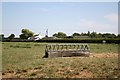
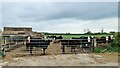
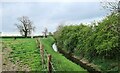
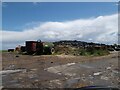
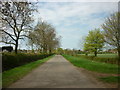
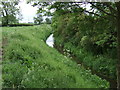
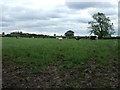
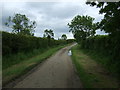
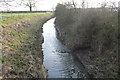
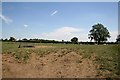
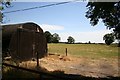
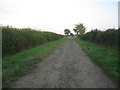
Area Information
Living in Willingham offers a distinct experience within the Cambridgeshire landscape. This civil parish spans 9.3 km², presenting a defined and contained community environment. The area provides a structured setting for daily life, separated from the wider urban sprawl by its clear geographical boundaries. Residents enjoy a sense of place within a specific unit of local government administration. The layout supports a predictable routine, with a clear understanding of the land and facilities available to you. You will find a straightforward estate where the neighbourhood limits are well established. This 9.3 km² territory holds enough space to accommodate essential services while maintaining a recognised parish identity. The local infrastructure is built to serve this specific footprint without excessive expansion. Your living experience here is defined by the physical boundaries of the parish itself. There is no ambiguity about where Willingham begins and ends. The size ensures that the community remains manageable, with facilities located within a convenient distance from most homes. You can navigate the area with a clear mental map of what lies within the 9.3 km² limit. This specificity contributes to a stable environment for long-term settlement. The area functions as a cohesive entity rather than a fragmented collection of developments. Your day-to-day life is anchored by these tangible geographical facts.
- Area Type
- Parish
- Area Size
- 9.3 km²
- Population
- Not available
- Population Density
- Not available
Demographics
The community in Willingham presents a settled demographic profile centred on older residents. Statistics show that the median age is 70, which indicates a population dominated by people in retirement or later life. You are moving into a neighbourhood where the majority of houses reflect the needs of this age group. Households here are typically composed of individuals or couples rather than young families with school-age children. Seven out of every ten residents own their homes, placing the home ownership level at 79%. This figure confirms that the area is firmly established as an owner-occupied community. Rental properties exist but form a smaller portion of the total stock. The accommodation type data supports the view that this is a conventional residential area rather than a student or high-density rental hub. You will not find the typical transient population associated with younger urban districts. The social fabric revolves around long-term residents who have established roots within the parish. Diversity metrics and specific household breakdowns are not detailed in the current records, but the high ownership rate suggests a homogenous group settled in the same properties over many years. Your daily interactions will likely be with neighbours who share a similar life stage and housing tenure status.
Household Size
Accommodation Type
Tenure
Ethnic Group
Religion
Household Composition
Age
Household Deprivation
NS-SEC
Explore more demographic insights in this area
Go to Demographics tabPlanning
Planning Constraints
- Flood RiskPremium
- Ramsar Wetland SitesPremium
- Area of Outstanding Natural BeautyPremium
- Protected Nature ReservePremium
- Protected WoodlandPremium
- Crime RiskPremium