Area Overview for Wigston
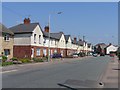
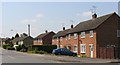
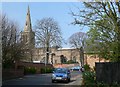
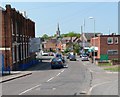
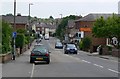
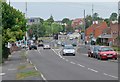
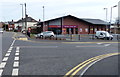
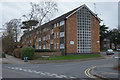
Photos of Wigston
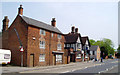
Area Information
Wigston is a built-up area in England covering 8.4 square kilometres, home to approximately 11,291 residents. With a population density of 1,342 people per square kilometre, it is a compact, urbanised community where daily life is shaped by proximity to services and transport. The area’s demographic profile is notable for its median age of 70, suggesting a mature population with a strong presence of long-term residents. Wigston’s character is defined by its accessibility to nearby towns and its blend of local amenities. Residents benefit from a range of retail, transport, and educational facilities within practical reach, making it a functional choice for those prioritising convenience. The area’s appeal lies in its balance between established infrastructure and a relatively stable population, though its density may influence the pace of life. For buyers, Wigston offers a straightforward, no-frills environment with a focus on practical living, underpinned by a solid network of local services.
- Area Type
- Built Up Area 250
- Area Size
- 8.4 km²
- Population
- 11291
- Population Density
- 1342 people/km²
Wigston’s lifestyle is supported by a range of amenities within easy reach. Local retail options include Spar, Iceland Wigston, and Sainsburys Wigston, providing everyday shopping needs. The area’s transport links, including rail and metro stations, offer access to broader networks, enabling residents to travel to nearby towns or cities. While the data does not specify parks or leisure facilities, the presence of multiple schools and retail outlets suggests a community-oriented environment. The proximity to Leicester Airport adds to the area’s practicality for travel. For residents, the mix of retail, transport, and educational facilities creates a convenient daily life, with services clustered to reduce the need for long commutes. The character of Wigston appears to be one of accessibility, where practicality and functionality take precedence over expansive leisure options.
Amenities
Schools
Wigston is served by several primary schools, including Glenmere Community Primary School, Fairfield Community Primary School, The Meadow Community Primary School, and Water Leys Primary School, all of which have received a 'good' Ofsted rating. Thythorn Field Community Primary School also falls into this category. The presence of multiple primary schools with positive evaluations provides families with options for their children’s early education. While the data does not mention secondary schools, the focus on primary education suggests a community prioritising foundational learning. The availability of schools with good ratings indicates a commitment to quality education, though parents should consider proximity to specific schools when evaluating properties. The concentration of primary schools also supports a family-friendly environment, with local amenities and transport links likely catering to the needs of students and their families.
| Rank | A + A* % | School | Type | Entry gender | Ages |
|---|---|---|---|---|---|
| 1 | N/A | Glenmere Community Primary School | primary | N/A | N/A |
| 2 | N/A | Fairfield Community Primary School | primary | N/A | N/A |
| 3 | N/A | The Meadow Community Primary School | primary | N/A | N/A |
| 4 | N/A | Thythorn Field Community Primary School | primary | N/A | N/A |
| 5 | N/A | Water Leys Primary School | primary | N/A | N/A |
Explore more schools in this area
Go to Schools tabDemographics
Wigston’s population has a median age of 70, reflecting a community skewed towards older residents. This age profile suggests a demographic with established roots, potentially influencing the area’s social dynamics and local needs. Home ownership in Wigston stands at 74 per cent, indicating a majority of residents live in properties they own. This figure positions the area as predominantly owner-occupied, though the data does not specify the distribution of household types or accommodation styles. The absence of detailed breakdowns on ethnic groups, religions, or household compositions means broader diversity metrics remain unspecified. However, the high home ownership rate implies a stable residential base, which may contribute to a cohesive community feel. For prospective buyers, this suggests a market where properties are likely to remain in long-term ownership, with potential for steady value retention. The lack of detailed demographic data on diversity or deprivation means further analysis would be needed to assess broader social factors.
Household Size
Accommodation Type
Tenure
Ethnic Group
Religion
Household Composition
Age
Household Deprivation
NS-SEC
Explore more demographic insights in this area
Go to Demographics tabPlanning
Planning Constraints
- Crime RiskLocked