Area Overview for Whitfield
Photos of Whitfield
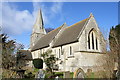
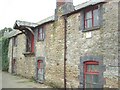
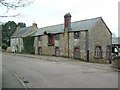
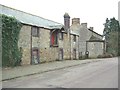
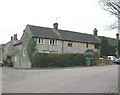
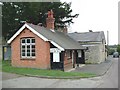
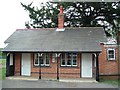
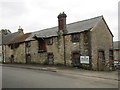
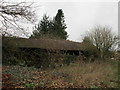
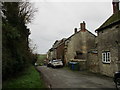
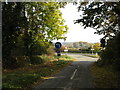
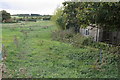
Area Information
Whitfield is a small civil parish situated in England, covering just four square kilometres. This compact footprint means daily life revolves around close proximity to local amenities and neighbours. Living in Whitfield offers a quiet existence defined by tight-knit community bonds and a lack of urban congestion. The area serves as a distinct residential pocket rather than a sprawling settlement, which limits the distance you need to travel for your daily essentials. Residents enjoy a simple rhythm where the house is often steps away from the centre of the parish. This concentration of homes creates an intimate environment where the scale of the built landscape remains manageable. You will find that the character of the place is preserved by its limited size, preventing the sprawl often seen in larger districts. The parish stands as a defined geographical entity where boundaries are clear and the surrounding context is known to most inhabitants. It is a location where you know exactly what you are settling for, with no ambiguous planning zones or unclear boundaries to worry about. The simplicity of the layout supports a predictable lifestyle that appeals to those seeking stability over excitement.
- Area Type
- District Borough Unitary Ward
- Area Size
- 4.0 km²
- Population
- Not available
- Population Density
- Not available
Demographics
The community profile of Whitfield reveals an older population with a median age of 70 years. This demographic shift indicates that the parish is a retirement destination or a place where retirees have settled permanently. You will find that the most common age group spans the total population, confirming that very few young families or students dominate the scene. Eighty per cento of households in Whitfield own their property outright. This exceptionally high ownership rate suggests that the majority of residents have lived here for a long time and built significant equity in their homes. The area is not a transient rental market but a place of long-term residence where people stay for decades. Accommodation types reflect the needs of this age group, though the specific breakdown of housing styles is not detailed in current records. The homogeneity of the age profile and the high level of ownership create a stable social fabric where neighbours look out for one another. When you consider the implications of a community where eight in ten residents are owners, you understand that turnover is low and face value increases steadily through shared historical ties.
Household Size
Accommodation Type
Tenure
Ethnic Group
Religion
Household Composition
Age
Household Deprivation
NS-SEC
Explore more demographic insights in this area
Go to Demographics tabPlanning
Planning Constraints
- Flood RiskPremium
- Ramsar Wetland SitesPremium
- Area of Outstanding Natural BeautyPremium
- Protected Nature ReservePremium
- Crime RiskPremium