Area Overview for Twywell
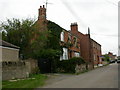
Photos of Twywell
Area Information
Living in Twywell offers a quiet retreat for those seeking significant space within a compact parish. The residential area covers just 3.8 km², creating a close-knit environment where distances between homes, shops, and local amenities are minimal. You will find a community defined by its rural character and steady pace, far removed from the density of larger urban settlements. Daily life here revolves around the immediate surroundings, with the small size of the parish ensuring that neighbours are often just footsteps away. This intimacy fosters a strong sense of local connection without the noise and congestion associated with bigger towns. Prospective residents should expect a lifestyle centred on tranquillity and natural surroundings. The limited footprint of the parish means that the built environment is tightly integrated with the landscape, offering views that most larger developments cannot replicate. Twywell appeals to people who value simplicity and stability. You are trading the convenience of high-rise city living for the peace of a designated civil parish in England. The area functions as a self-contained community where daily errands are local events rather than commutes. This structure supports a slower lifestyle, ideal for those prioritising quietude over proximity to major employment hubs. The physical constraints of the 3.8 km² landmass also influence the character of the settlement, preventing sprawl and maintaining a cohesive village feel. Whether you are establishing a permanent home or a rural residence, the setting provides a consistent backdrop of greenery and open space. This concentration allows residents to maintain contact with the natural world while still accessing essential services within the parish boundaries.
- Area Type
- Parish
- Area Size
- 3.8 km²
- Population
- Not available
- Population Density
- Not available
Demographics
The community in Twywell reflects a mature population with a distinct demographic profile. The median age stands at 70, indicating that the majority of residents are senior citizens. This age distribution suggests a village where families with young children are less common, and long-term residents dominate the social fabric. You can expect a neighbourhood where intergenerational bonds are strong and community activities cater primarily to older adults. The household composition mirrors this trend, with families typically smaller in number due to the retiree population. A significant portion of the 67% home ownership rate points to residents who have built wealth over decades and choose to stay in their ancestral homes. The high rate of 67% owner occupancy signifies a stable community with relatively low transient activity. This stands in contrast to student-heavy university towns or commuter belts where rental markets often dictate housing dynamics. In Twywell, most residents are settled in their properties for the long term, contributing to a predictable and unchanging local character. You will find few short-term lettings or temporary occupants disrupting the neighbourhood's rhythm. The accommodation types generally align with traditional rural housing stock, fitting the needs of the elderly population rather than modern multi-generational or transient demands. This demographic reality means that if you are considering buying a home here, you are entering a market driven by local longevity rather than external migration. The predictable population structure offers reassurance to new buyers who value consistency and security in their choice of location.
Household Size
Accommodation Type
Tenure
Ethnic Group
Religion
Household Composition
Age
Household Deprivation
NS-SEC
Explore more demographic insights in this area
Go to Demographics tabPlanning
Planning Constraints
- Flood RiskLocked
- Ramsar Wetland SitesLocked
- Area of Outstanding Natural BeautyLocked
- Protected Nature ReserveLocked
- Protected WoodlandLocked
- Crime RiskLocked