Area Overview for Trent Ward
Photos of Trent Ward
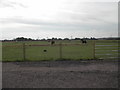
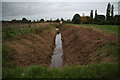
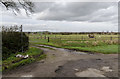
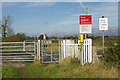
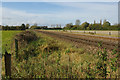
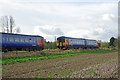
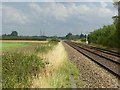

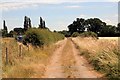
Area Information
Trent Ward sits as an electoral ward within the Newark and Sherwood district in Nottinghamshire, forming part of the East Midlands region in England. This district comprises 43.5 km² of land, positioning it near Newark-on-Trent on the River Trent. The geographic coordinates align closely with the town's known location at 53.07722°N 0.80889°W. Living in Trent Ward means residing in a neighbourhood historically tied to the river, which served as an inland port. The area is now largely bypassed by the A1 Great North Road, offering links to nearby cities. Newark-on-Trent sits 21 miles from Nottingham and 19 miles from Lincoln. This transport positioning connects residents to broader regional markets. The ward reflects a settled community with a strong connection to the local history of the River Trent. You will find that daily life here revolves around proximity to Newark and access to major thoroughfares. The location provides a specific blend of rural character and transport accessibility without crossing into urban density. The area is distinct for its electoral boundaries and its role within the wider Newark and Sherwood administrative structure. The community in Trent Ward shows a clear demographic profile centred on older residents. The median age for the population is 70 years, indicating an area dominated by mature adults. When examining the age ranges, the data categorises the total population rather than breaking down younger cohorts. This high median age suggests a retirement-friendly environment where established households form the majority. Home ownership stands at 78% within Trent Ward, significantly higher than typical national averages. This figure confirms that most people who live here own their properties outright or have a mortgage. The high ownership rate usually correlates with long-term stability within the neighbourhood. Household composition data covers the total population, reflecting a broad mix of family structures. Accommodation types also reflect the total stock available in the ward. Ethnic diversity and religious affiliation data are recorded as totals for the entire population. The environment supports older individuals seeking stability. High ownership percentages often mean lower vacancy rates and a predictable market for those considering homes in Trent Ward. The property market in Trent Ward is defined by a legacy of owner occupation. With 78% of homes in the area owned by residents, this ward functions primarily as an owner-occupier market rather than a rental hotspot. This statistic shapes the local housing stock significantly. Most existing homes in Trent Ward have been purchased by previous generations and remain in private hands. This pattern typically results in a substantial stock of detached or semi-detached family homes suited to older occupants. The high ownership percentage of 78% indicates stability for sellers and buyers alike. You will find few private rental properties compared to the volume of owner-occupied dwellings. The variety of accommodation types mirrors this historical pattern of ownership. Prospective buyers looking at Trent Ward enter a market where properties are often sold by owners seeking to downsize or move into care facilities. The 43.5 km² area contains significant numbers of existing homes rather than new build developments. This market reality means price stability often outweighs rapid appreciation. Buyers should expect a competitive market driven by local demand from older residents. Residents of Trent Ward rely on digital infrastructure that scores 76 out of 100 for fixed broadband quality. This rating places connectivity in the good category, suitable for standard internet usage. For remote workers, this score supports video calls and file transfers without frequent disruptions. The physical transport network is equally defined by specific access routes. The A1 Great North Road bypasses the ward, providing major road links. Newark-on-Trent itself is 21 miles from Nottingham and 19 miles from Lincoln. These distances offer moderate access to regional employment hubs. The River Trent historically influenced trade in the area, though its current role is recreational and navigational. Mobile network coverage generally aligns with the fixed line performance for this region. Living in Trent Ward means you have reliable high-speed internet for daily tasks. The road network connects you efficiently to the wider Nottinghamshire and Lincolnshire networks. Commuters benefit from the proximity to the A1 while maintaining a quieter local environment. Connectivity metrics confirm that modern digital needs are well met in this ward. Safety and environmental factors in Trent Ward present a mixed picture for residents. The crime risk assessment yields a score of 84 out of 100, categorising the risk level as PASS. This low score indicates below-average crime rates, making the ward a safer neighbourhood than many counterparts. You can expect a calm environment where safety is not a primary concern for daily activities. However, environmental assessments reveal a more significant challenge. The flood risk category is marked as CRITICAL with a score of 55.65 out of 100. This high flood risk coverage necessitates careful consideration for any property within the ward. Potential hazards are real and monitored closely by local authorities. Other planning constraints offer a clearer outlook. There is no Ramsar wetland coverage, no Area of Outstanding Natural Beauty status, and no protected nature reserve overlap. These areas receive a PASS rating, meaning no additional restrictions apply. One protective measure does receive a WARNING level. Protected woodland covers 0.83 out of 100 on the risk scale, indicating a low impact but present constraint. You must weigh the safety benefits against the specific flood risks before committing to purchasing. Who typically lives in Trent Ward and what is the community like?The community in Trent Ward is dominated by older residents with a median age of 70. The area records a high home ownership rate of 78%, suggesting a stable, established neighbourhood rather than a high-turnover rental market. Most households are long-term owners within the 43.5 km² ward. How do transport links affect living in Trent Ward?The ward relies on the nearby A1 Great North Road for main access. Newark-on-Trent is located 21 miles from Nottingham and 19 miles from Lincoln. Fixed broadband quality scores 76 out of 100, providing good connectivity for home working and daily internet use across the area. What are the main safety and environmental concerns for homebuyers?While the crime risk is low with a safety score of 84 out of 100, the area faces a critical flood risk rated at 55.65 out of 100. This high coverage means flood precautions are essential. Other areas like Ramsar sites and AONBs pass safely with no restrictions.
- Area Type
- District Borough Unitary Ward
- Area Size
- 43.5 km²
- Population
- Not available
- Population Density
- Not available
Demographics
The community in Trent Ward shows a clear demographic profile centred on older residents. The median age for the population is 70 years, indicating an area dominated by mature adults. When examining the age ranges, the data categorises the total population rather than breaking down younger cohorts. This high median age suggests a retirement-friendly environment where established households form the majority. Home ownership stands at 78% within Trent Ward, significantly higher than typical national averages. This figure confirms that most people who live here own their properties outright or have a mortgage. The high ownership rate usually correlates with long-term stability within the neighbourhood. Household composition data covers the total population, reflecting a broad mix of family structures. Accommodation types also reflect the total stock available in the ward. Ethnic diversity and religious affiliation data are recorded as totals for the entire population. The environment supports older individuals seeking stability. High ownership percentages often mean lower vacancy rates and a predictable market for those considering homes in Trent Ward. The property market in Trent Ward is defined by a legacy of owner occupation. With 78% of homes in the area owned by residents, this ward functions primarily as an owner-occupier market rather than a rental hotspot. This statistic shapes the local housing stock significantly. Most existing homes in Trent Ward have been purchased by previous generations and remain in private hands. This pattern typically results in a substantial stock of detached or semi-detached family homes suited to older occupants. The high ownership percentage of 78% indicates stability for sellers and buyers alike. You will find few private rental properties compared to the volume of owner-occupied dwellings. The variety of accommodation types mirrors this historical pattern of ownership. Prospective buyers looking at Trent Ward enter a market where properties are often sold by owners seeking to downsize or move into care facilities. The 43.5 km² area contains significant numbers of existing homes rather than new build developments. This market reality means price stability often outweighs rapid appreciation. Buyers should expect a competitive market driven by local demand from older residents. Residents of Trent Ward rely on digital infrastructure that scores 76 out of 100 for fixed broadband quality. This rating places connectivity in the good category, suitable for standard internet usage. For remote workers, this score supports video calls and file transfers without frequent disruptions. The physical transport network is equally defined by specific access routes. The A1 Great North Road bypasses the ward, providing major road links. Newark-on-Trent itself is 21 miles from Nottingham and 19 miles from Lincoln. These distances offer moderate access to regional employment hubs. The River Trent historically influenced trade in the area, though its current role is recreational and navigational. Mobile network coverage generally aligns with the fixed line performance for this region. Living in Trent Ward means you have reliable high-speed internet for daily tasks. The road network connects you efficiently to the wider Nottinghamshire and Lincolnshire networks. Commuters benefit from the proximity to the A1 while maintaining a quieter local environment. Connectivity metrics confirm that modern digital needs are well met in this ward. Safety and environmental factors in Trent Ward present a mixed picture for residents. The crime risk assessment yields a score of 84 out of 100, categorising the risk level as PASS. This low score indicates below-average crime rates, making the ward a safer neighbourhood than many counterparts. You can expect a calm environment where safety is not a primary concern for daily activities. However, environmental assessments reveal a more significant challenge. The flood risk category is marked as CRITICAL with a score of 55.65 out of 100. This high flood risk coverage necessitates careful consideration for any property within the ward. Potential hazards are real and monitored closely by local authorities. Other planning constraints offer a clearer outlook. There is no Ramsar wetland coverage, no Area of Outstanding Natural Beauty status, and no protected nature reserve overlap. These areas receive a PASS rating, meaning no additional restrictions apply. One protective measure does receive a WARNING level. Protected woodland covers 0.83 out of 100 on the risk scale, indicating a low impact but present constraint. You must weigh the safety benefits against the specific flood risks before committing to purchasing. Who typically lives in Trent Ward and what is the community like?The community in Trent Ward is dominated by older residents with a median age of 70. The area records a high home ownership rate of 78%, suggesting a stable, established neighbourhood rather than a high-turnover rental market. Most households are long-term owners within the 43.5 km² ward. How do transport links affect living in Trent Ward?The ward relies on the nearby A1 Great North Road for main access. Newark-on-Trent is located 21 miles from Nottingham and 19 miles from Lincoln. Fixed broadband quality scores 76 out of 100, providing good connectivity for home working and daily internet use across the area. What are the main safety and environmental concerns for homebuyers?While the crime risk is low with a safety score of 84 out of 100, the area faces a critical flood risk rated at 55.65 out of 100. This high coverage means flood precautions are essential. Other areas like Ramsar sites and AONBs pass safely with no restrictions.
Household Size
Accommodation Type
Tenure
Ethnic Group
Religion
Household Composition
Age
Household Deprivation
NS-SEC
Explore more demographic insights in this area
Go to Demographics tabPlanning
Planning Constraints
- Flood RiskPremium
- Ramsar Wetland SitesPremium
- Area of Outstanding Natural BeautyPremium
- Protected Nature ReservePremium
- Protected WoodlandPremium
- Crime RiskPremium