Area Overview for Thorney
Photos of Thorney

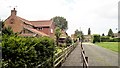


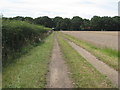
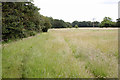
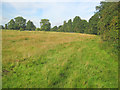
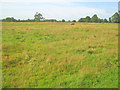
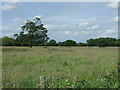

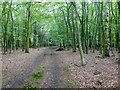
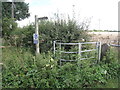
Area Information
Living in Thorney offers a distinct lifestyle within a civil parish that spans 9.1 km² in England. You will find yourself in a settlement defined by a specific demographic profile rather than rapid urban growth. The area accommodates a population where residents have likely settled here for a significant period, evidenced by a median age of 70. This figure places Thorney among locations with older communities, shaping the daily rhythm of the neighbourhood. You navigate a landscape where the needs of families differ from those of retirees, yet the community functions as a cohesive unit. The size of the parish suggests a compact environment where distances between local amenities are manageable for pedestrians and cyclists. You engage with a setting that prioritises quality of life for established residents over high-density development. Homes here serve a demographic that values stability, creating a neighbourhood atmosphere that contrasts with faster-paced urban centres. Whether you are considering relocating to Thorney or expanding your search near the parish boundaries, you encounter a place where the primary focus remains on established living patterns. The area represents a specific slice of rural and semi-rural English life, characterised by an older population and a tight-knit residential structure. You can expect a slower pace where community interactions often centre around long-term neighbours rather than transient populations.
- Area Type
- Parish
- Area Size
- 9.1 km²
- Population
- Not available
- Population Density
- Not available
Demographics
The community within Thorney is heavily weighted towards older residents, with a median age of 70. This single statistic defines the social fabric, suggesting that you will move into an area populated largely by retirees or older couples. The most common age range encompasses total populations, reinforcing that the demographic skew is a consistent feature rather than a temporary fluctuation. With a home ownership rate of 84%, you see that the vast majority of households in Thorney have purchased their residences. This high level of ownership indicates financial security and a deep-rooted connection to the locality among current residents. You are unlikely to encounter a large transient rental market, as most people have stayed in their homes for extended periods. The household composition and accommodation type data support this picture of stability, showing that families and couples have established themselves permanently. The lack of specific data on predominant ethnicity or religion means you rely on the clear picture provided by age and ownership. Deprivation metrics are not explicitly detailed in the available figures, so you assess quality of life based on the high rate of homeownership and the older, settled nature of the population. You buy into an environment where financial stability is the norm, reflected in the 84% figure that places Thorney above the national average for owner-occupied properties.
Household Size
Accommodation Type
Tenure
Ethnic Group
Religion
Household Composition
Age
Household Deprivation
NS-SEC
Explore more demographic insights in this area
Go to Demographics tabPlanning
Planning Constraints
- Flood RiskPremium
- Ramsar Wetland SitesPremium
- Area of Outstanding Natural BeautyPremium
- Protected Nature ReservePremium
- Protected WoodlandPremium
- Crime RiskPremium