Area Overview for Swinderby
Photos of Swinderby
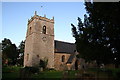
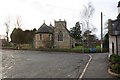
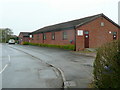

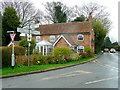
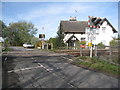
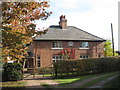
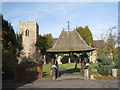
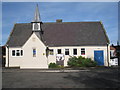
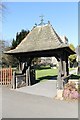
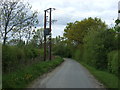
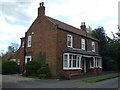
Area Information
Swinderby is a compact built-up area in England, covering 34.1 hectares. It is home to a population with a median age of 70, indicating a community skewed towards older residents. The area’s small size and demographic profile suggest a quiet, stable environment, likely shaped by long-standing local traditions and limited recent development. Home ownership is high, at 81%, reflecting a strong presence of long-term residents. Daily life in Swinderby is characterised by proximity to essential services, including three nearby railway stations and a mix of retail outlets. The area’s schools, including a primary school and a special needs school, cater to local families. While the broadband quality is poor, mobile coverage is good, offering flexibility for remote work. Swinderby’s charm lies in its simplicity and accessibility, making it a choice for those seeking a low-maintenance lifestyle near practical amenities.
- Area Type
- Built Up Area 250
- Area Size
- 34.1 hectares
- Population
- Not available
- Population Density
- Not available
Swinderby’s lifestyle is shaped by its proximity to practical amenities. Three railway stations provide easy access to regional transport, while five retail outlets, including Lincolnshire Co-operative Co and Spar, offer everyday shopping. The area’s small size means residents can reach these amenities without long journeys. The presence of two schools ensures families have access to education, though the absence of parks or leisure facilities is notable. The community’s character is defined by its quiet, settled nature, with little emphasis on nightlife or cultural hubs. For those prioritising convenience over entertainment, Swinderby’s amenities meet basic needs, though it may not appeal to those seeking a more dynamic lifestyle.
Amenities
Schools
Swinderby is served by two schools, both rated ‘good’ by Ofsted. Swinderby All Saints Church of England Primary School provides primary education, while Kisimul School specialises in supporting students with specific needs. The presence of a primary school ensures local families have access to early education, and the special school caters to those requiring tailored support. This combination of school types offers a comprehensive educational environment for residents. However, the data does not indicate the number of students or the school catchment areas, so prospective families should contact the schools directly for details. The ‘good’ Ofsted ratings suggest a reliable standard of education, though the limited range of school types may not suit all family needs.
| Rank | A + A* % | School | Type | Entry gender | Ages |
|---|---|---|---|---|---|
| 1 | N/A | Swinderby All Saints Church of England Primary School | primary | N/A | N/A |
| 2 | N/A | Kisimul School | special | N/A | N/A |
Explore more schools in this area
Go to Schools tabDemographics
Swinderby’s population has a median age of 70, the highest in the dataset, suggesting a community predominantly composed of older adults. This age profile may influence local services and social dynamics, with a focus on healthcare and retirement-focused amenities. Home ownership stands at 81%, indicating that most residents live in their own homes rather than renting. The data does not specify household composition or accommodation types, but the high home ownership rate implies a settled, long-term resident base. There is no explicit information on ethnic diversity or religious composition, but the absence of specific figures means these aspects cannot be detailed. The demographic makeup suggests a community with a strong sense of continuity, though it may lack the vibrancy of areas with younger populations.
Household Size
Accommodation Type
Tenure
Ethnic Group
Religion
Household Composition
Age
Household Deprivation
NS-SEC
Explore more demographic insights in this area
Go to Demographics tabPlanning
Planning Constraints
- Crime RiskLocked