Area Overview for Swaby
Photos of Swaby
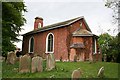

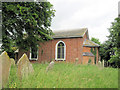
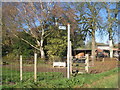
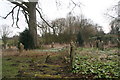
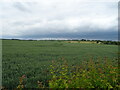
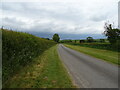
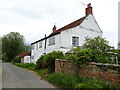

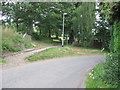
Area Information
Swaby is a civil parish in England spanning an area of 6.3 km². Living in Swaby offers a very quiet rural experience defined by its small footprint and significant owner-occupation rates. The environment is shaped by specific planning constraints, notably an Area of Outstanding Natural Beauty designation. This status influences development patterns and protects the visual character of the landscape. You will find no protected woodland or nature reserves within the parish boundaries, nor any Ramsar wetland sites. Flood risk remains low across the area, with a safety score of 4.04 on a scale where lower values indicate less danger. Despite these natural constraints, residents enjoy a safer neighbourhood with a crime risk score of 86 out of 100, reflecting below-average crime rates. Homes in Swaby cater primarily to a mature population. Daily life revolves around the close proximity of essential services to the local community. The area functions as a cohesive village unit rather than a sprawling settlement. Your time here is largely spent appreciating the natural surroundings without the encroachment of major protected habitats. The combination of low flood risk and high safety scores suggests a stable, low-maintenance living environment for those who prefer a secluded yet secure home.
- Area Type
- Parish
- Area Size
- 6.3 km²
- Population
- Not available
- Population Density
- Not available
Demographics
The community in Swaby has a distinctly mature character. Data indicates a median age of 70 years old, confirming that the population consists largely of older residents. This age profile shapes the daily rhythm of the parish entirely. You are likely to meet long-term residents rather than young families or university students moving into the area. Home ownership stands at 72 per cent, meaning nearly three out of every four households own their property outright or with a mortgage. This high rate of ownership correlates with the older demographic and suggests stability within the community. Household composition data reflects a total summary for the area, while accommodation type figures also cover the total population base. The most common age range recorded is the total category, which reinforces the dominance of older residents. There are no specific figures provided for ethnicity or religion breakdowns, so the diversity aspects remain general. However, the homogeneity of the age group creates a very specific social atmosphere. You will find fewer young children or flexible renters compared to more urban parishes. The prevalence of owner-occupied homes means neighbours often have deep roots in the local area.
Household Size
Accommodation Type
Tenure
Ethnic Group
Religion
Household Composition
Age
Household Deprivation
NS-SEC
Explore more demographic insights in this area
Go to Demographics tabPlanning
Planning Constraints
- Flood RiskPremium
- Ramsar Wetland SitesPremium
- Area of Outstanding Natural BeautyPremium
- Protected Nature ReservePremium
- Protected WoodlandPremium
- Crime RiskPremium