Area Overview for Spilsby
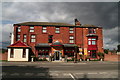
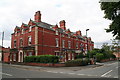
Photos of Spilsby


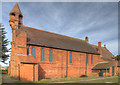
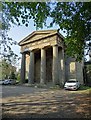
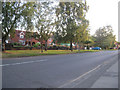
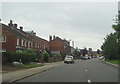
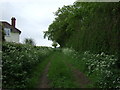
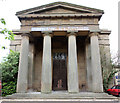
Area Information
Spilsby is a compact built-up area in England, covering just 1.4 km², with a population skewed toward older residents, many of whom are likely to be retired. The town’s small size means it is easy to navigate on foot or by bike, and its proximity to nearby amenities makes it practical for daily life. Residents benefit from a range of nearby schools, including primary and special education options, ensuring families have access to diverse educational pathways. The area’s retail offerings, such as Sainsburys and Lincolnshire Co-operative, provide essential shopping conveniences. A single railway station, Thorpe Culvert, connects the area to broader networks, though local transport options remain limited. Spilsby’s character is shaped by its older demographic, which may influence the pace of life and community dynamics. For buyers, the town offers a quiet, low-crime environment with a focus on practicality over urban vibrancy. Its appeal lies in simplicity, with homes and services tailored to a mature population seeking stability and accessibility.
- Area Type
- Built Up Area 250
- Area Size
- 1.4 km²
- Population
- Not available
- Population Density
- Not available
Residents of Spilsby have access to essential retail amenities, including Sainsburys, Lincolnshire Co-operative, and Spar, which cater to daily shopping needs. These stores are within practical reach, reducing the necessity for long commutes. The Thorpe Culvert Railway Station provides a connection to broader destinations, though local leisure and dining options are not detailed in the data. The absence of specific information on parks or recreational facilities means the area’s lifestyle is likely centred on simplicity and convenience rather than extensive leisure opportunities. For those prioritising accessible services over vibrant social hubs, Spilsby’s amenities offer a straightforward, low-effort lifestyle. The retail and transport options reflect a community focused on practicality, with little emphasis on cultural or entertainment amenities.
Amenities
Schools
Spilsby’s schools include Spilsby Primary School, The Franklin School, and King Edward VI Grammar School, all of which are primary institutions. Additionally, King Edward VI Humanities College and The Eresby School, a special needs institution, provide further educational options. The presence of both mainstream and special education facilities ensures families have access to a range of learning environments. While the data does not include Ofsted ratings, the variety of school types suggests a commitment to addressing diverse educational needs. For parents, the availability of primary schools is a key factor, though the absence of secondary education options within the area may require commuting. The inclusion of a special school highlights Spilsby’s capacity to support children with additional needs, though this could also influence the community’s character. Overall, the school mix reflects a practical approach to education, prioritising accessibility for local families.
| Rank | School | Type | Entry gender | Ages |
|---|
Explore more schools in this area
Go to Schools tabDemographics
Spilsby’s population has a median age of 70, indicating a predominantly older demographic. This age profile suggests a community where retirement is the primary stage of life, with fewer young families or working-age residents. Home ownership stands at 65%, meaning a majority of properties are owner-occupied, while the remaining 35% are likely rented. The data does not specify household types or ethnic diversity, but the overall composition appears homogenous. The absence of detailed information on accommodation types or deprivation levels means assumptions about housing needs or socioeconomic challenges cannot be made. However, the high home ownership rate implies a stable, long-term resident base. For prospective buyers, this demographic may translate to a community with established routines and a focus on low-maintenance living. The older age profile also means local services and amenities are likely tailored to retirees, such as accessible public spaces and healthcare facilities.
Household Size
Accommodation Type
Tenure
Ethnic Group
Religion
Household Composition
Age
Household Deprivation
NS-SEC
Explore more demographic insights in this area
Go to Demographics tabPlanning
Planning Constraints
- Crime RiskPremium