Area Overview for South Darley
Photos of South Darley
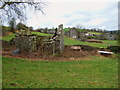
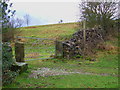
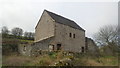
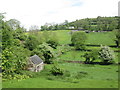
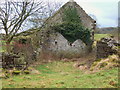
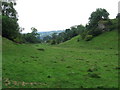
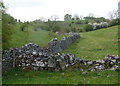
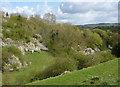
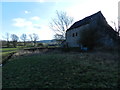
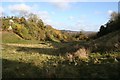
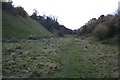
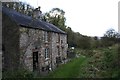
Area Information
South Darley is a civil parish situated in Derbyshire, England, covering a total area of just under eight square kilometres. This relatively small footprint defines a tight-knit environment where residents know their neighbours by name. You will find that daily life here moves at a deliberate pace, away from the noise of major commuting hubs. The landscape is characterised by rural settings rather than dense urban streets, offering a quiet retreat for those seeking isolation without complete abandonment of modern amenities. Living in South Darley means embracing a community where the architecture and planning likely reflect centuries of local history. The parish setting implies a council-led local governance structure focused heavily on preserving green space and agricultural land. You can expect a residential atmosphere where houses are spaced out, providing privacy without the need for active development. The area does not suffer from heavy congestion, allowing for straightforward journeys to nearby towns. Your daily routine will involve car travel for most significant trips, as public transport options are limited in such a rural parish. This location appeals to people who value space and silence over immediate city access. The compact size ensures you can walk to many local spots while keeping vehicles handy for longer distances. You are not entering a booming construction zone, but rather a stable, established community. The environment permits your personal habits and property choices to flourish without constant external pressure. It is a place where the past and present coexist naturally within the parish boundaries.
- Area Type
- Parish
- Area Size
- 7.9 km²
- Population
- Not available
- Population Density
- Not available
Demographics
The community in South Darley is distinctly shaped by an elderly population, with a median age of seventy years old. This figure confirms that the area is primarily settled by retirees or older couples rather than young families or students. Almost every resident falls into the broadest age category, indicating a homogenous group with shared life experiences and needs. You are looking at a neighbourhood where social events likely centre on health clubs, local shops, or community halls rather than schools or sports leagues. Seventy-seven per cent of households own their homes, a statistic that reflects strong purchasing power and financial stability among the local population. This high ownership rate suggests that rental seeking or temporary living arrangements are uncommon. You will find that most streets are composed of long-term residents who have lived there for decades. The low level of social housing aligns with the wide average income typical of retirement communities in the English countryside. Accommodation types vary, yet the total housing stock remains stable with no significant influx of new builds plotted recently. The diversity of the population is minimal, focusing on the traditional demographic profile of Derbyshire villages. This lack of demographic turnover creates a predictable environment where rules and customs remain consistent. You can expect policies regarding noise, gardening, and social interaction to be firmly established. The community feel relies on these shared demographics to maintain its character. Long-term residents dominate the social fabric, ensuring continuity across generations.
Household Size
Accommodation Type
Tenure
Ethnic Group
Religion
Household Composition
Age
Household Deprivation
NS-SEC
Explore more demographic insights in this area
Go to Demographics tabPlanning
Planning Constraints
- Flood RiskPremium
- Ramsar Wetland SitesPremium
- Area of Outstanding Natural BeautyPremium
- Protected Nature ReservePremium
- Protected WoodlandPremium
- Crime RiskPremium