Area Overview for Ratby
Photos of Ratby
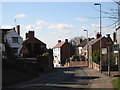

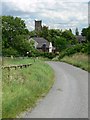
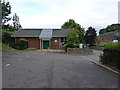
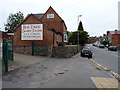

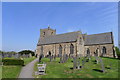
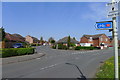

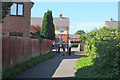
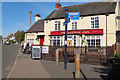

Area Information
Ratby is a compact built-up area in England, covering just 1.0 km². Its small size means it is likely a tightly knit community, with residents accustomed to short commutes and easy access to local amenities. The median age of 70 suggests a population skewed toward older adults, which may influence the character of daily life and the types of services available. Living in Ratby offers proximity to essential infrastructure, including schools, transport links, and retail hubs. The area’s proximity to Leicester North metro station and Leicester Railway Station provides connectivity to nearby cities, while nearby Co-ops and other retail outlets ensure convenience for everyday needs. For those considering homes in Ratby, the area’s low crime risk and strong broadband connectivity—scoring 98 out of 100—make it appealing for both retirees and those seeking a quieter lifestyle. The presence of Ratby Primary School, rated good by Ofsted, adds to the appeal for families. While the community is small, it appears to balance practicality with a sense of stability, making it a viable option for buyers prioritising safety, ease of access, and a slower pace of life.
- Area Type
- Built Up Area 250
- Area Size
- 1.0 km²
- Population
- Not available
- Population Density
- Not available
Living in Ratby offers access to a range of nearby amenities, including retail outlets and transport hubs. The area is served by three Co-ops—Co-op Old, Co-op Groby, and Co-op Groby—providing essential shopping and services. For leisure and travel, residents can use Leicester North metro station, Great Central Railway, and Rothley, which connect to broader regional networks. Leicester Railway Station is also within reach, offering direct links to major cities. While the data does not mention parks or dining options, the presence of multiple retail points suggests a focus on practicality over luxury. The compact nature of the area means amenities are likely within walking distance, though the absence of detailed information on leisure facilities leaves gaps in understanding the full lifestyle offering. Nonetheless, the combination of retail and transport access supports a functional daily life, particularly for those prioritising convenience over extensive recreational options.
Amenities
Schools
Ratby Primary School is the only school explicitly listed in the data, serving the area’s primary education needs. The school is rated good by Ofsted, indicating a satisfactory standard of teaching and facilities. As a primary school, it caters to younger children, though the absence of secondary schools in the data means families may need to look beyond Ratby for comprehensive education. The good rating suggests a reliable foundation for early learning, which is crucial for families prioritising school quality. However, the limited range of school types—only a primary school—is notable. For those considering homes in Ratby, this may be a drawback if a child requires secondary education locally. The proximity of the school to residential areas likely enhances its accessibility, but buyers should verify whether additional educational options are available in nearby towns.
| Rank | School | Type | Entry gender | Ages |
|---|
Explore more schools in this area
Go to Schools tabDemographics
Ratby’s population has a median age of 70, indicating a community predominantly composed of older adults. This age profile may shape local dynamics, with a focus on services tailored to seniors. Home ownership in the area is high, at 77%, suggesting a stable, long-term resident base. The data does not specify household composition, accommodation types, or ethnic diversity, but the overall figures imply a relatively uniform demographic profile. With no specific deprivation data provided, it is unclear how economic factors might influence quality of life. However, the high home ownership rate and low crime risk suggest a generally secure environment. For buyers, this demographic structure may mean a quieter, more established neighbourhood, though it also raises questions about the availability of younger families or renters. The absence of detailed diversity metrics means the community’s cultural and social composition remains less defined in the data.