Area Overview for Partney
Photos of Partney
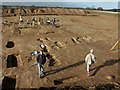
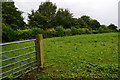
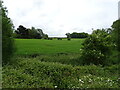
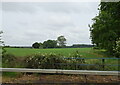
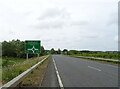
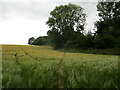
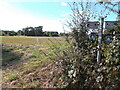
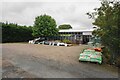
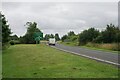
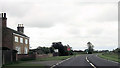
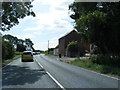
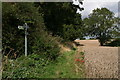
Area Information
Partney is a small civil parish in England covering an area of 3.8 square kilometres. You will find a distinct quietness in this settlement, characterised by its rural nature and lack of dense urban infrastructure. Daily life here revolves around a close-knit environment where residents interact within a manageable walking distance. The area is defined by its modest size, which constrains traffic and maintains a stable atmosphere for those seeking a country lifestyle. There are no major commercial hubs within the immediate boundaries, meaning locals likely rely on nearby towns for extensive shopping or specialised services. This compact geography fosters a sense of familiarity among neighbourly circles. The landscape is flat and open, typical of the Lincolnshire Fens, with no significant topographical obstacles blocking views or travel routes. Living in Partney means accepting a finite scope for spontaneous discovery within the parish itself. You will experience a community where pace is set by nature rather than rush-hour commutes. The absence of large-scale developments keeps property values and living costs reflective of its agricultural context. Prospective buyers should consider if this limited scope matches your lifestyle expectations. The area offers privacy and space rather than the excitement of city centres or large market towns. Its identity remains firmly rooted in tradition and stability.
- Area Type
- Parish
- Area Size
- 3.8 km²
- Population
- Not available
- Population Density
- Not available
Demographics
The community in Partney reflects a settled population with very few young families or teenagers. The median age is 70 years, which signals a territory dominated by older residents. Most common age groups skew significantly toward retirement, meaning you will encounter a demographic focused on leisure and stability rather than career advancement or schooling households. Home ownership stands at 72 per cent, indicating that the majority of residents have purchased their properties and intend to stay long-term. This high rate of ownership reduces the number of transient individuals compared to areas with larger rental markets. Household composition tends to be simpler, often consisting of single occupants, widowed couples, or small families who have aged in place. You will find very few private houses converted to flats or purpose-built high-density blocks in this specific location. Accommodation types generally mirror the historical building stock of the village, lacking modern multi-unit developments. This structure supports a predictable social environment where neighbours know each other by name. The low diversity in ethnic groups and religious affiliation aligns with the stable, long-standing character of many rural parishes. For buyers, this suggests a community with established traditions rather than rapid demographic shifts.
Household Size
Accommodation Type
Tenure
Ethnic Group
Religion
Household Composition
Age
Household Deprivation
NS-SEC
Explore more demographic insights in this area
Go to Demographics tabPlanning
Planning Constraints
- Flood RiskPremium
- Ramsar Wetland SitesPremium
- Protected Nature ReservePremium
- Protected WoodlandPremium