Area Overview for Normanton on Trent
Photos of Normanton on Trent
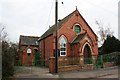
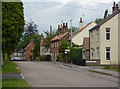
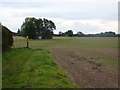
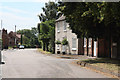
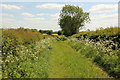
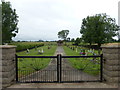
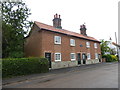
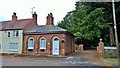
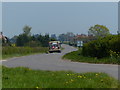
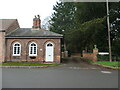
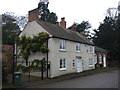
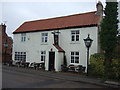
Area Information
Normanton on Trent is a small built-up area in England, covering just 26.1 hectares. Its compact size reflects a rural character, yet it offers essential services and connectivity. The area’s median age of 70 suggests a community of older residents, many of whom may have lived here for decades. This demographic shapes the local atmosphere, with a focus on stability and familiarity. Homeownership is high, at 75%, indicating a strong sense of long-term commitment to the area. For those considering living here, the proximity to Collingham and Swinderby railway stations provides access to nearby towns, while St Matthew’s CofE Primary School offers a locally rated education for families. Daily life in Normanton on Trent balances quiet living with practical amenities, making it appealing to those seeking a slower pace without complete isolation. The area’s small footprint means residents can walk or cycle to key points, though the broadband score—24 out of 100—hints at potential challenges for remote work. Overall, it’s a place where tradition meets basic modern needs, ideal for those prioritising a settled lifestyle over fast-paced urban living.
- Area Type
- Built Up Area 250
- Area Size
- 26.1 hectares
- Population
- Not available
- Population Density
- Not available
The lifestyle in Normanton on Trent is shaped by its proximity to basic amenities and local services. Within practical reach, residents have access to four retail outlets, including Lincolnshire Co-operative Co and Co-op Tuxford, offering essential shopping options. These stores provide convenience for daily needs, though the variety is limited compared to larger towns. The area’s rail links to Collingham and Swinderby enhance connectivity, allowing residents to travel to nearby hubs for additional services or leisure. While there is no mention of parks or recreational spaces in the data, the presence of a primary school and retail options suggests a functional, community-focused environment. The lifestyle here leans towards simplicity, with an emphasis on practicality over luxury. For those valuing a quiet, self-sufficient existence with essential services nearby, Normanton on Trent offers a straightforward, no-frills approach to daily living.
Amenities
Schools
The nearest school to Normanton on Trent is St Matthew’s CofE Primary School, which serves the local community with a primary education offering. Its Ofsted rating is ‘good’, indicating a satisfactory standard of teaching and facilities. As a primary school, it caters to younger children, making it a central point for families in the area. The absence of secondary schools in the data suggests that students may need to travel to nearby towns for further education. This could be a consideration for parents evaluating the area’s suitability for long-term family living. The presence of a locally rated primary school is a positive factor, though the lack of higher education options nearby may influence decisions for those prioritising a comprehensive school network. For families seeking a primary school with a good reputation, St Matthew’s provides a reliable option within the immediate vicinity.
| Rank | School | Type | Entry gender | Ages |
|---|
Explore more schools in this area
Go to Schools tabDemographics
Normanton on Trent has a median age of 70, with the most common age range encompassing the total population. This indicates a community predominantly composed of older adults, many of whom may be retired or nearing retirement. Homeownership stands at 75%, a figure that suggests a stable housing market with long-term residents. The data does not specify household composition or diversity, but the high ownership rate implies a low turnover of properties, contributing to a cohesive, if aging, community. The lack of detailed information on ethnic or religious demographics means it is not possible to assess the area’s cultural diversity. However, the 75% home ownership rate and the presence of a primary school suggest a focus on family-oriented living, even if the population is largely older. For buyers considering the area, the demographic profile may influence property demand, with potential appeal to retirees or those seeking a quieter, established environment.
Household Size
Accommodation Type
Tenure
Ethnic Group
Religion
Household Composition
Age
Household Deprivation
NS-SEC
Explore more demographic insights in this area
Go to Demographics tabPlanning
Planning Constraints
- Crime RiskPremium