Area Overview for NN3 6XL
Photos of NN3 6XL

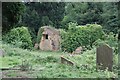
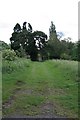
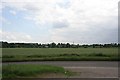
Area Information
Living in NN3 6XL means being part of a small, tightly knit residential cluster in England, where the population of 1,517 people is spread across a compact area with a density of 898 people per square kilometre. This postcode area is characterised by its focus on family-oriented living, with a median age of 47 and a strong presence of adults aged 30–64. The area is predominantly composed of owner-occupied homes, with 90% of properties in private hands, reflecting a stable and established community. Daily life here is shaped by proximity to local amenities, including schools, retail hubs, and transport links. While the area is small, it offers a balance of residential tranquillity and access to essential services. Residents benefit from a mature demographic, which often translates to a sense of continuity and community cohesion. The absence of major environmental constraints, such as protected woodlands or AONB designations, means development is not restricted, though the area remains focused on housing rather than commercial expansion. For those seeking a quiet, family-friendly environment with practical infrastructure, NN3 6XL provides a straightforward, no-frills option.
- Area Type
- Postcode
- Area Size
- Not available
- Population
- 1517
- Population Density
- 898 people/km²
The property market in NN3 6XL is defined by high home ownership, with 90% of properties in private hands, indicating a long-term, settled community rather than a transient rental market. The area is composed almost entirely of houses, which are the predominant accommodation type. This suggests a focus on family homes and single-family living, appealing to those prioritising space and privacy. Given the area’s small size, the housing stock is limited, which may mean fewer options for buyers but also a more cohesive, established neighbourhood. The high home ownership rate implies that properties are likely to be well-maintained and hold value over time. However, the lack of commercial or mixed-use development means the area remains residential-focused, with limited scope for investment in non-residential property. For buyers, this translates to a market where properties are likely to be in good condition but may not offer the same range of styles or features found in larger, more diverse areas. The compact nature of NN3 6XL also means that proximity to local amenities is a key selling point for those seeking convenience.
House Prices in NN3 6XL
Showing 1 properties
| Address | Type | Beds | Baths | Last Sale Price | Last Sale Date | |
|---|---|---|---|---|---|---|
| Flat 1, 13 Duncan Close, Northampton, NN3 6XL | Flat | - | - | - | - |
Energy Efficiency in NN3 6XL
The lifestyle in NN3 6XL is shaped by its proximity to essential amenities, which are within practical reach for residents. Local retail options include M&S Harborough BP, Morrisons Daily, and Tesco Spinny, offering a range of grocery and general shopping needs. The presence of two bus interchanges—University Bus Interchange and Northampton Bus Interchange—provides access to regional transport networks, while Northampton Railway Station offers direct links to major cities. This connectivity supports both daily commutes and weekend excursions. The area’s compact size means amenities are concentrated, reducing the need for long journeys. For leisure, the mix of retail and transport hubs suggests a functional, no-frills approach to daily life. While there are no specific parks or leisure facilities listed in the data, the nearby schools and transport links indicate a focus on practicality over expansive recreational spaces. Residents benefit from a straightforward lifestyle, where convenience and accessibility are prioritised over luxury or diversity in amenities.
Amenities
Schools
Residents of NN3 6XL have access to a range of schools, including Parklands Primary School and Parklands Middle School, both of which cater to primary education. Northampton School for Girls is listed twice in the data: once as a primary school and once as an academy with a ‘good’ Ofsted rating, indicating a strong educational offering for girls. Include Northampton, a special school, provides tailored support for students with specific needs. This mix of school types ensures families have options for both mainstream and specialist education. The presence of an academy with a good rating suggests a high standard of teaching, which could be a significant draw for parents prioritising academic outcomes. However, the absence of secondary schools in the immediate area may require students to commute to nearby towns for further education. The variety of school types reflects a commitment to addressing different educational needs, though the limited number of schools underscores the area’s small scale. For families, this means careful planning is required to align with school catchment areas and transportation logistics.
| Rank | School | Type | Entry gender | Ages |
|---|
Explore more schools in this area
Go to Schools tabDemographics
The community in NN3 6XL is predominantly composed of adults aged 30–64, with a median age of 47, indicating a mature population profile. This age group accounts for the majority of residents, suggesting a stable demographic with fewer young families or retirees compared to other areas. Home ownership is exceptionally high at 90%, reflecting a long-term presence of residents who have invested in property. The accommodation type is primarily houses, which aligns with the area’s focus on residential living rather than high-density housing. The predominant ethnic group is White, which is consistent with broader regional trends. While specific data on deprivation is not provided, the high home ownership rate and presence of established households suggest a relatively stable quality of life. The absence of significant demographic diversity may appeal to those seeking a familiar, homogeneous environment but could also mean fewer cultural or social variations. The area’s compact size and mature population contribute to a sense of continuity, though it may lack the dynamism of more diverse or rapidly growing communities.
Household Size
Accommodation Type
Tenure
Ethnic Group
Religion
Household Composition
Age
Household Deprivation
NS-SEC
Explore more demographic insights in this area
Go to Demographics tabPlanning
Planning Constraints
- Flood RiskPremium
- Ramsar Wetland SitesPremium
- Area of Outstanding Natural BeautyPremium
- Protected Nature ReservePremium
- Protected WoodlandPremium