Area Overview for NG9 3BR
Photos of NG9 3BR
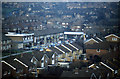
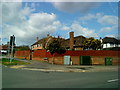
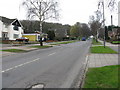
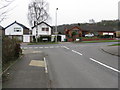
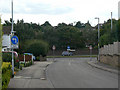
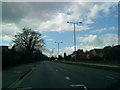
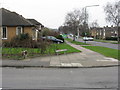
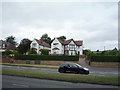
Area Information
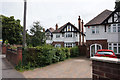
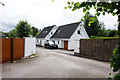
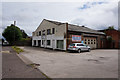
Living in NG9 3BR offers a settled residential experience within a small cluster defined by postcode boundaries. The area serves a population of 1,258 residents, creating a closely knit environment where neighbours are often well known. This specific sector of Nottingham sits comfortably away from major industrial zones while remaining close to essential services. The dominant housing stock consists of houses, which contrasts with the flats found in more urban city centres. You will find that daily life here revolves around stability and ownership, with a strong sense of community rooted in this postcode. This area avoids significant planning constraints that might deter sensitive buyers. There is no coverage of Ramsar wetland sites, Areas of Outstanding Natural Beauty, or protected nature reserves. Similarly, the risk of flooding remains negligible for homeowners in this location. These clear boundary conditions mean you can assess a property confidently without fearing hidden planning restrictions or environmental liabilities. The character of NG9 3BR is defined by its residential focus rather than commercial development or recreational lands. Households here value privacy and space, reflected in the preference for detached or semi-detached properties over high-density accommodation. While the population size is modest, the connectivity to wider transport networks ensures you remain linked to the broader region. The area combines the quietude of a suburb with reliable access to shops and stations in neighbouring centres. It is a practical choice for those seeking a house rather than an apartment in a known postcode sector near Wollaton and Beeston.
- Area Type
- Postcode
- Area Size
- Not available
- Population
- 1258
- Population Density
- 4276 people/km²
The property market in NG9 3BR is overwhelmingly dominated by owner-occupied homes, with 60% of the population holding a freehold or leasehold title. This high ownership rate signals that NG9 3BR is not a student haven or a hub for corporate lettings. Instead, it functions as a traditional residential estate where families buy to stay. The inventory focuses entirely on houses, offering terraced, semi-detached, or detached options depending on the specific street layout. Buyers looking at homes in NG9 3BR should expect a slower pace of turnover compared to rental-heavy suburbs. Most change of occupancy will follow a sale rather than an eviction or lease end. This stability benefits those seeking a predictable environment for children's schooling or career continuity. The absence of flats means there is no demand from downsizers seeking ground-floor units in multi-storey complexes. Every property is a standalone dwelling designed for private living. This market dynamic supports higher long-term value retention for homeowners who improve their properties. Given that 1,255 people do not own their home in this cluster of 1,258 residents, there is a specific segment of private renters who face a smaller pool of available shared ownership schemes. The area appeals to those ready to commit funds rather than tenants looking for short-term flexibility. Safety scores and low crime risks further bolster confidence in purchasing properties here. Local sellers benefit from a buyer base that prioritises location and structure over immediate mobility. The presence of schools near NG9 3BR draws families who intend to remain for years. Consequently, the housing stock retains its character without the constant refresh often found in areas with high rental yields. When viewing a home in this postcode, you are likely dealing with motivated sellers who understand the value of established neighbourhoods.
House Prices in NG9 3BR
No properties found in this postcode.
Energy Efficiency in NG9 3BR
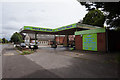
Residents of NG9 3BR enjoy immediate access to a variety of retail and transport amenities. Five major shopping venues lie within walking distance, including Tesco Wollaton, Sainsburys Wollaton, and M&S Wollaton BP. These supermarkets allow you to complete weekly grocery runs quickly without suffering the commute typical of remote towns. The presence of multiple chain stores indicates a well-stocked commercial strip that meets diverse dietary and household needs. Transport links are equally abundant with five metro interchange points nearby. The Cator Lane, Bus & Tram Interchange, and Beeston Centre Tram Stop provide seamless journeys into Nottingham and beyond. For rail travellers, Beeston Railway Station, Attenborough Railway Station, and Nottingham Railway Station offer frequent departures to major employment hubs. This density of transport options ensures that working away from home remains manageable. Neighbouring areas support a vibrant lifestyle without requiring a car for daily errands. You can stroll to local shops or hop on a tram without planning your journey around limited bus schedules. The proximity of these facilities makes life convenient, especially for households managing school runs or part-time work. Dining and leisure options extend into Wollaton and Beeston centres, providing a broader range of entertainment beyond the immediate postcode. Living in NG9 3BR means you balance the quiet of residential streets with the convenience of city access. You do not need to drive far to find essentials or engage with the wider community. The availability of these named venues creates a practical, hassle-free existence for modern families seeking comfort and efficiency.
Amenities
Schools
| Rank | School | Type | Entry gender | Ages |
|---|
Explore more schools in this area
Go to Schools tabDemographics
The community in NG9 3BR centres on households led by adults aged between 30 and 64 years. This age group represents the most common demographic, indicating a neighbourhood settled by families, dual-income couples, and empty nesters. The median age stands at 47, which sits significantly higher than the national average for young professionals or students. You will find a mix of established residents who have put down roots rather than a transient population often seen in growth zones. Home ownership is the defining characteristic of this area, with 60% of residents owning their dwellings outright or with a mortgage. Private renters make up the remaining portion of the community, but the scale of ownership suggests long-term stability. This high rate of ownership typically correlates with families who view their home as a central investment and part of their daily life plan. The demographic profile supports a low churn rate where neighbours return to local shops and schools. The predominant ethnic group in NG9 3BR is White, reflecting the broader historical settlement patterns of the region around Nottingham. This demographic homogeneity often fosters a sense of familiarity among residents, who may share common cultural backgrounds or social norms. The age distribution means that childhood education and elderly care services form a key part of local needs. Since the largest cohort comprises working-age adults, local businesses often cater to family routines and employability needs. Data indicates that the accommodation type is exclusively houses, excluding flats or apartments from the immediate cluster. This structural reality shapes the social fabric, encouraging outdoor interaction on driveways and streets rather than within shared building corridors. The 47-year median age suggests a community that balances active parenting with retirement planning. You can expect a neighbourly atmosphere where residents look out for one another because they have lived here for the long term.
Household Size
Accommodation Type
Tenure
Ethnic Group
Religion
Household Composition
Age
Household Deprivation
NS-SEC
Explore more demographic insights in this area
Go to Demographics tabPlanning
Planning Constraints
- Flood RiskPremium
- Ramsar Wetland SitesPremium
- Area of Outstanding Natural BeautyPremium
- Protected Nature ReservePremium
- Protected WoodlandPremium