Area Overview for NG9 2JW
Photos of NG9 2JW

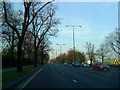
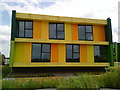
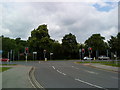
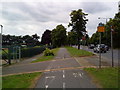
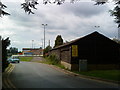
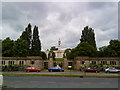
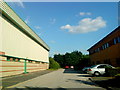
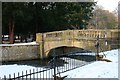
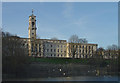
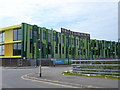
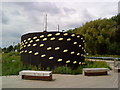
Area Information
Living in NG9 2JW means residing within a compact residential cluster of 5.3 hectares in Nottingham, England. This postcode serves a defined population of 2,673 people, creating an environment with higher population density than many surrounding regions. The area is specifically characterised by its housing stock, which consists predominantly of houses rather than flats or apartments. You will find yourself in a neighbourhood where every resident is part of a relatively tight-knit community due to the limited land size. The location is situated within the broader NG9 postcode region, offering direct access to the university town centre and key transport arteries. Daily life here involves navigating a space that balances private housing with collective living proximity. Residents benefit from being centrally located within this small footprint, meaning distances to key local services are often manageable on foot or by short vehicle journey. The area represents a specific microcosm within Nottingham, where the concentration of dwellings shapes the rhythm of everyday activities. Whether you are commuting to the city or managing local errands, the layout of NG9 2JW dictates a lifestyle centred around efficiency and proximity to essential urban facilities.
- Area Type
- Postcode
- Area Size
- 5.3 hectares
- Population
- 2673
- Population Density
- 2192 people/km²
The property market in NG9 2JW is defined by a specific housing composition that limits diversity in building styles. Houses form the sole accommodation type available within this postcode sector, meaning you will not find flats, terraced rows, or converted industrial units here. This uniformity shapes the buying experience, as candidates must look for house-based structures typical of suburban or semi-rural developments within Nottingham. With just 22% home ownership, the market operates heavily on the rental side, influencing both availability and price sensitivity. Buyers entering this market should expect to compete primarily for a minority of owner-occupied stock or invest for the majority rental sector. The small area size of 5.3 hectares restricts new development potential, keeping the housing supply stable and predictable rather than volatile. Prospective buyers seeking traditional family homes will find their requirements met, whereas those wishing for modern apartments or compact townhouses must look elsewhere in the wider NG9 region. This singular focus on houses creates a homogenous market where property values are driven by land scarcity and house condition rather than architectural variety. Understanding this constraint is essential for anyone hoping to purchase or let a property in this specific location.
House Prices in NG9 2JW
Showing 56 properties
| Address | Type | Beds | Baths | Last Sale Price | Last Sale Date | |
|---|---|---|---|---|---|---|
| 41 Autumn Way, Beeston, NG9 2JW | Detached | 3 | 2 | £295,000 | Jun 2025 | |
| 48 Autumn Way, Beeston, NG9 2JW | Detached | 4 | 3 | £535,000 | Jul 2024 | |
| 5 Autumn Way, Beeston, NG9 2JW | Semi-detached | 4 | 2 | £362,500 | Mar 2024 | |
| 39 Autumn Way, Beeston, NG9 2JW | Semi-detached | 3 | 2 | £330,000 | Oct 2023 | |
| 44 Autumn Way, Beeston, NG9 2JW | Retail | 4 | 2 | £415,000 | Sep 2022 | |
| 3 Autumn Way, Beeston, NG9 2JW | Semi-detached | 3 | 1 | £278,000 | Sep 2022 | |
| 32 Autumn Way, Beeston, NG9 2JW | Semi-detached | 3 | 1 | £270,000 | Aug 2022 | |
| 9 Autumn Way, Beeston, NG9 2JW | Retail | 4 | 2 | £310,000 | May 2022 | |
| 50 Autumn Way, Beeston, NG9 2JW | house | - | - | £375,000 | Sep 2021 | |
| 27 Autumn Way, Beeston, NG9 2JW | Detached | 3 | 2 | £385,000 | Jun 2021 |
Energy Efficiency in NG9 2JW
Residents of NG9 2JW enjoy convenient access to a range of amenities that support daily living without requiring long travel times. For retail needs, five key locations are within practical reach, including Co-op Nottingham, Spar, and Makro Nottingham. These shops cover essential groceries and household supplies. Transport links are equally varied, with five nearby metro stops such as University Boulevard and Middle Street, alongside five railway stations including Nottingham Railway Station. Five tram stops also serve the area, providing direct routes into the city centre. For aviation needs, Nottingham Airport is located nearby for occasional leisure or business travel. Five entries under the metro category confirm the density of tram access, ensuring you rarely wait long for public transport. The presence of specific retailers like Makro suggests capacity for bulk shopping and large household items is available close by. This amenity-rich environment means you can handle most weekly tasks by combining a local shop visit with a quick tram ride. The accessibility of these facilities across retail, rail, and metro categories ensures a practical lifestyle where convenience is a constant feature of daily routine.
Amenities
Schools
Families residing in NG9 2JW have access to a specific selection of educational institutions located within practical reach of their homes. The nearest provision for very young children includes Merrivale Nursery School, which caters to the earliest years of development. For primary education, Lenton Primary and Nursery School serves the surrounding community with standard primary-age curriculums. There is also specialist provision available through the University Hospital School, which offers an alternative educational pathway designed for pupils with special educational needs. This mix of nursery, mainstream primary, and special needs facilities indicates a supportive local education network tailored to diverse requirements. Parents moving into the area can rely on these named institutions without needing to travel far for basic schooling needs. The presence of a university hospital-affiliated school highlights the area's proximity to medical and higher education hubs within Nottingham. While secondary schools are not listed in the immediate vicinity, the presence of primary and nursery options ensures that the early part of a child's education is well-supported locally. These schools form the backbone of the community's infrastructure for child-rearing and learning.
| Rank | School | Type | Entry gender | Ages |
|---|
Explore more schools in this area
Go to Schools tabDemographics
The community in NG9 2JW reflects a distinct profile where young adults dominate the age landscape. The median age stands at 22 years, with the most common age range comprising individuals between 15 and 29 years old. This demographic concentration suggests the area attracts those entering their adult lives, including students, young professionals, and early-career residents. Homeownership remains a minority choice in this specific postcode, with only 22% of residents owning their home outright. Consequently, the majority of households operate under tenancy arrangements, which aligns with the younger population willing to rent. The accommodation type is exclusively houses, distinguishing this sector from areas where flats or apartments are common. While the predominant ethnic group is White, the high proportion of renters and young adults often indicates a transient or fluid population typical of university catchment zones. These statistical realities define the neighbourhood's character, pointing towards a transient living situation rather than established family dynasty homes. Understanding these figures helps you recognise that the area functions more as a launchpad for young life stages than a settlement for long-term retirement or multi-generational expansion.
Household Size
Accommodation Type
Tenure
Ethnic Group
Religion
Household Composition
Age
Household Deprivation
NS-SEC
Explore more demographic insights in this area
Go to Demographics tabPlanning
Planning Constraints
- Flood RiskPremium
- Ramsar Wetland SitesPremium
- Area of Outstanding Natural BeautyPremium
- Protected Nature ReservePremium
- Protected WoodlandPremium