Area Overview for NG80 1PH
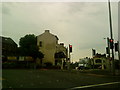
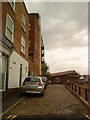
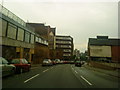
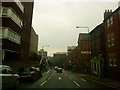
Photos of NG80 1PH
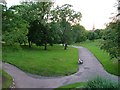
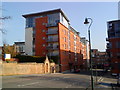
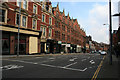
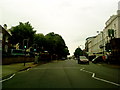
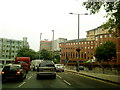
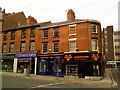
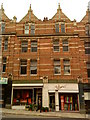
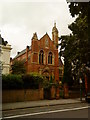
Area Information
Living in NG80 1PH means choosing a specific postcode cluster that serves as a small residential hub within the Nottinghamshire landscape. This area comprises exactly 4,005 residents, creating pockets of housing that feel intimate yet remain well-connected to the wider urban fabric of Nottingham. You will find this postcode acts as a vital link between the city centre and the suburbs, offering a practical base for daily commuting and local life. The density here is moderate, allowing for a manageable pace of living while maintaining easy access to major employers and services. Your day-to-day life in this neighbourhood revolves around a blend of quiet residential streets and the immediate proximity to key transport nodes. Residents navigate a community where the boundaries between the suburb and the city centre blur slightly due to the high concentration of transport links nearby. This location is defined by its utility and accessibility rather than expansive green space or rural isolation. You are sitting in an area where practicality drives your lifestyle choices, from work commutes to shopping trips, all centred around the 4,005 people who call this cluster home.
- Area Type
- Postcode
- Area Size
- Not available
- Population
- 4005
- Population Density
- 9714 people/km²
The property market in NG80 1PH is characterised by a heavy reliance on the rental sector. With only 13% of homes owner-occupied, this area functions primarily as a lettings market for individuals and students. The accommodation type data confirms that flats dominate the residential stock, meaning you will rarely find detached houses orterraced family homes as the standard offering here. This concentration of flats supports a low barrier to entry for buyers and renters alike, as units are generally smaller and more affordable than traditional family properties. If you are looking to purchase, you are likely targeting landlords or new-build developments specifically designed for high-density living. This market structure means property values are sensitive to rental yields and the performance of the nearby university and employment sectors. The 13% ownership figure is indeed low, meaning competition for purchase tends to be lower than in owner-occupied zones, but selection is also limited by the physical nature of the housing stock. You are dealing with a market defined by efficiency and density rather than spacious family gardens.
House Prices in NG80 1PH
No properties found in this postcode.
Energy Efficiency in NG80 1PH
Your lifestyle in NG80 1PH is anchored by a convenience-driven network of retail and transport amenities. For your daily shopping needs, you have three major retailers within practical reach: Co-op University of, Tesco Long, and Tesco Nottingham. These supermarkets stock everything from groceries to hard lines food items. Leisure and cultural trips are equally accessible, with tram stops at NTU, Royal Centre, and Old Market Square putting the city theatre district and shopping arcades minutes away. You do not need a car for most trips as railway stations in Nottingham, Beeston, and Netherfield provide extensive connections across the East Midlands. Nottingham Airport offers direct flight options for business or leisure travel without requiring a long journey. The mix of universities, shopping centres, and transport hubs defines your day-to-day routine. You can enjoy a evening out at the Royal Centre Theatre or simply grab coffee near the tram stop without significant travel time. This amenity-rich environment supports a self-sufficient urban lifestyle where essentials and entertainment are always within walking or short driving distance.
Amenities
Schools
Families with children living in NG80 1PH have immediate access to a range of educational institutions nearby. The closest primary education options include Raleigh Infant School and Unity Primary and Nursery School, both providing foundational learning for younger pupils. Beyond the primary stage, Unity Academy serves as the major secondary institution in the immediate vicinity, offering comprehensive education for older students. Unity Learning Centre is also available as an additional educational resource within the area neighbourhood. The mix of infant schools, primary nurseries, and academies suggests a functional chain of education that supports the younger demographic found in the postcode. You will find these schools are well-integrated into the local council's education framework. Their locations ensure that children from NG80 1PH have short travel times to their daily lessons. While the schools listed cater to different age groups, the overall provision is focused on the youth, aligning with the median age of 22 found in the wider community. This educational cluster ensures convenience for parents who live in the surrounding flats and homes.
| Rank | School | Type | Entry gender | Ages |
|---|
Explore more schools in this area
Go to Schools tabDemographics
The community in NG80 1PH is defined by a very young population profile. Your neighbours are predominantly young adults aged between 15 and 29 years, which sets a distinct tone for the local culture. The median age sits at just 22 years, reflecting a workforce and student demographic rather than a family-centric community. Roughly 13% of households here own their property outright, indicating that the vast majority of residents are tenants or living under different tenure arrangements. Housing stock is overwhelmingly comprised of flats, catering to this younger demographic's needs for lower maintenance and urban living. The predominant ethnic group is White, though the district remains diverse. You should anticipate a transient or fluid population cycle typical of student hubs and young professional areas. This age distribution means local shops and services likely cater to modernising tastes and convenience rather than legacy family needs. The low homeownership rate also suggests that property values may be driven by rental demand rather than long-term wealth accumulation in this specific postcode.
Household Size
Accommodation Type
Tenure
Ethnic Group
Religion
Household Composition
Age
Household Deprivation
NS-SEC
Explore more demographic insights in this area
Go to Demographics tabPlanning
Planning Constraints
- Flood RiskPremium
- Ramsar Wetland SitesPremium
- Area of Outstanding Natural BeautyPremium
- Protected Nature ReservePremium
- Protected WoodlandPremium