Area Overview for NG7 2GS
Photos of NG7 2GS
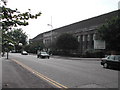
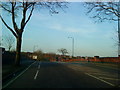
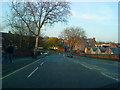
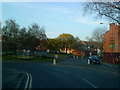
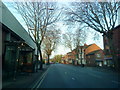
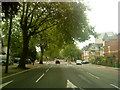
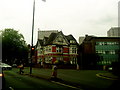
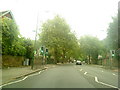
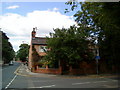
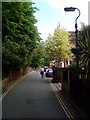
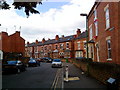
Area Information
Living in NG7 2GS means residing in a compact residential cluster characterised by high density and urban convenience. This specific postcode covers an area where 4,742 people reside within a tightly packed environment, resulting in a population density of 2,906 people per square kilometre. Such proximity fosters a neighbourhood where daily services and public transport are immediately accessible without significant travel time. The location sits within England and functions as a small but significant residential node, distinct for its concentration of homes rather than expansive green spaces. Daily life for residents centres on the immediate availability of amenities and the efficiency of local transport links. You will find that the community is defined by its function as a living corridor rather than a sprawling suburb. The area’s layout supports a pace of life where work, education, and shopping happen within a short distance. This distinct density creates a community feel where neighbours are often within walking distance. Prospective buyers should expect a living environment that prioritises accessibility and proximity to the wider Nottingham urban fabric over isolation or rural quiet. The area serves as a practical base for those wanting to be at the heart of city activities while maintaining a defined residential identity.
- Area Type
- Postcode
- Area Size
- Not available
- Population
- 4742
- Population Density
- 2906 people/km²
The property market in NG7 2GS is defined by a strong presence of owner-occupiers rather than private landlords. With 63% of households classified as homeowner occupiers, this area leans towards buyers establishing long-term roots. The predominant accommodation type consists of Houses, which contrasts with typical high-density flat pockets found in central city postcodes. This predominance of houses suggests a demand for specific property layouts, such as detached or semi-detached structures, even within a dense residential cluster. For anyone looking at homes in NG7 2GS, the market dynamics reflect stability and a mix of original builds and potential renovations. The high ownership rate implies that resale values may be supported by a core of long-term residents looking to trade up or move nearby. The specific character of the housing is shaped by the need to accommodate young families and professionals in a small geographical footprint. Buyers should expect a market where price points often reflect the premium of owning a house in a high-density zone rather than the lower entry costs sometimes seen in flat conversions. This ownership structure means the area avoids the volatility often associated with purely rental-led developments, offering a more traditional property investment story.
House Prices in NG7 2GS
No properties found in this postcode.
Energy Efficiency in NG7 2GS
Daily life in NG7 2GS is supported by a straightforward network of amenities located within practical reach of the residential cluster. Ten retailers are available nearby, with notable locations including Sainsburys Nottingham, Tesco Nottingham, and Lidl Hyson. These supermarkets provide all necessary shopping needs, from groceries to household goods, ensuring residents can complete daily errands without long travel times. The retail landscape is concentrated, meaning you do not need to venture far for cycle needs, groceries, or basics. Public transport infrastructure further enhances lifestyle convenience with five metro stops and five railway stations accessible from the area. This includes access to Nottingham Railway Station, Beeston Railway Station, and Bulwell Railway Station, which facilitates easy travel to work or leisure destinations. Nottingham Airport is also within reach, adding to the mobility options available to residents. The combination of these shopping and transport nodes creates a living environment where convenience is woven into the daily routine. You can rely on these specific venues for essential services while maintaining the ability to travel quickly when needed. The area does not boast luxury entertainment venues, but the practical setup of shops and transport ensures a functional and responsive lifestyle for families and professionals alike.
Amenities
Schools
Education provision near NG7 2GS includes specific institutions that serve the local catchment and act as community hubs. Margaret Glen-Bott School stands as a primary education option, offering foundational schooling for children living in the immediate vicinity. This institution provides essential daytime activities and academic support for the younger demographics found in the area. Additionally, the University of Nottingham operates nearby, serving as a major educational and research environment for students and professionals. The presence of a top-tier university alongside a local primary school caters to a wide age spectrum of learners. This mix of school types means families with young children have a designated primary institution while older residents benefit from proximity to higher education facilities. The University of Nottingham brings a dynamic atmosphere with occasional student activity, whereas Margaret Glen-Bott School maintains a focus on local primary education standards. There are no secondary schools listed in the immediate data, suggesting residents may travel to Nottingham city centre or Binley Wood for comprehensive education after primary school age. The availability of these two named institutions ensures that the educational infrastructure directly supports the age profile of the neighbourhood. For families planning their children's education, the location offers straightforward access to established primary education and world-class university resources within a short distance.
| Rank | School | Type | Entry gender | Ages |
|---|
Explore more schools in this area
Go to Schools tabDemographics
The community within NG7 2GS is distinctly young, driven by a population heavily skewed towards younger demographics. The median age here stands at just 22 years, reflecting a neighbourhood where Young Adults aged between 15 and 29 years form the most common age range. This demographic profile suggests an area popular with students, early career professionals, and families looking for stability amidst an energetic youth culture. Unlike older suburban areas with established retirees, the social rhythm of NG7 2GS likely revolves around campus life, employment hubs, and active social engagement. Home ownership remains a significant feature of this locality, with 63% of residents owning their homes outright or with a mortgage. Approximately two-thirds of the population own the space they inhabit, indicating a stable settled community rather than a transient one. The predominant form of accommodation in NG7 2GS consists of Houses, which aligns with the high ownership rate and the desire for private living space in such a dense setting. While the leading ethnic group is White, the concentration of young adults often brings cultural diversity through educational and employment connections. This demographic mix creates a living environment where the housing stock supports a mobile yet increasingly settled population seeking family housing or long-term tenures.
Household Size
Accommodation Type
Tenure
Ethnic Group
Religion
Household Composition
Age
Household Deprivation
NS-SEC
Explore more demographic insights in this area
Go to Demographics tabPlanning
Planning Constraints
- Flood RiskPremium
- Ramsar Wetland SitesPremium
- Area of Outstanding Natural BeautyPremium
- Protected Nature ReservePremium
- Protected WoodlandPremium