Area Overview for NG3 4QD
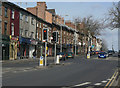
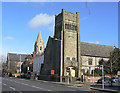
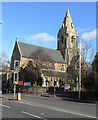
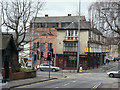
Photos of NG3 4QD
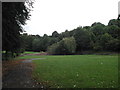
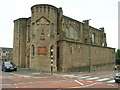
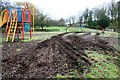
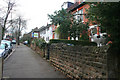
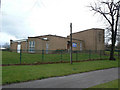
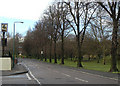
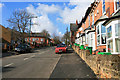
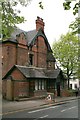
Area Information
Living in NG3 4QD means residing within a specific postcode area that covers a small residential cluster in England. This compact location houses a population of 1,755 people, creating a tight-knit environment distinct from larger urban sprawls. The area is defined by its residential focus, making it a practical choice for those prioritising a contained neighbourhood over expansive suburbs. Daily life revolves around close proximity to surrounding hubs, allowing residents to access essential services without long commutes. The character of NG3 4QD is shaped by its status as a small cluster, which often fosters a quieter atmosphere compared to busy city centres. You will find that life here moves at a pace suited to families or individuals seeking a settled community. The area does not boast vast open spaces or major industrial zones within its immediate boundaries, but it retains all the necessary infrastructure for modern living. Its small size ensures that you can walk or cycle to local landmarks quickly, reducing reliance on private vehicles for short trips. This postcode serves as a stable base for residents who value clarity and simplicity in their daily routine. The straightforward nature of the layout makes it easy for you to navigate and understand the local geography immediately upon arrival.
- Area Type
- Postcode
- Area Size
- Not available
- Population
- 1755
- Population Density
- 8232 people/km²
The property market in NG3 4QD is defined by its specific housing composition and ownership statistics. Houses are the standard accommodation type, so buyers should expect to search for detached or semi-detached dwellings rather than flats or apartments. At present, 30% of the population owns their homes, which indicates that a significant portion of the local market consists of rented accommodation. This balance suggests a mixed environment where investors and landlords operate alongside owner-occupiers. Potential buyers should consider whether they prefer purchasing an existing home or entering a tenancy agreement, given that the majority of residents do not own their properties. The focus on houses means that the available stock will likely cater to families or individuals seeking private gardens and separate entrances. If you are looking at homes in NG3 4QD, your options will be limited to single-family structures due to the area's planning limitations. The lower home ownership rate could imply competitive pricing for good-quality stock, as landlords often add premium rents to attract tenants away from cheaper rentals elsewhere. Conversely, buyers might find more negotiation room with sellers who are transitioning from investment portfolios into homeownership.
House Prices in NG3 4QD
No properties found in this postcode.
Energy Efficiency in NG3 4QD
Your lifestyle in NG3 4QD benefits from immediate access to key retail and transport hubs. Five retail venues, including Tesco Nottingham locations on Heron Street, sit within practical reach for your weekly shopping needs. These supermarkets provide comprehensive grocery options without requiring a long drive. Transport connectivity is strong, with five metro tram stops available, such as the NTU Tram Stop, Royal Centre Tram Stop, and High School Tram Stop. These links offer quick access to city centre attractions and educational institutions. Five railway stations, including Nottingham Railway Station, Netherfield Railway Station, and Carlton Railway Station, serve the wider region for longer-distance travel. You can reach Nottingham Airport via these connections, facilitating domestic flights for business or leisure trips. Living in NG3 4QD means having these diverse options just outside your doorstep, reducing the need for extensive planning before venturing out. The presence of multiple transport modalities ensures flexibility for commuters travelling to different parts of the city or those who prefer train and tram over car travel.
Amenities
Schools
| Rank | School | Type | Entry gender | Ages |
|---|
Explore more schools in this area
Go to Schools tabDemographics
The community in NG3 4QD reflects the broader adult population structure found across Nottinghamshire. Residents are primarily adults aged between 30 and 64 years, with a median age of 47. This age profile suggests a neighbourhood dominated by families and established professionals rather than students or retirees. Approximately 30% of the population owns their homes, indicating that nearly two-thirds of residents are tenants. Houses form the predominant accommodation type within the cluster, meaning you will mostly encounter detached or semi-detached properties rather than high-rise flats or converted apartments. The area is predominantly populated by people of White ethnicity, reflecting the demographic makeup of the wider region. With a median age of 47, the streets of NG3 4QD likely feature well-established households with significant local ties. Parents in the 30 to 64 age range will find the housing stock suitable for growing families, as the design prioritises houses over multi-unit developments. The relatively high home ownership percentage among the 30% who own suggests stability, though rent prices may vary significantly elsewhere in the zone. This demographic profile paints a picture of a mature residential zone where long-term residents settle rather than temporary workers commute daily.
Household Size
Accommodation Type
Tenure
Ethnic Group
Religion
Household Composition
Age
Household Deprivation
NS-SEC
Explore more demographic insights in this area
Go to Demographics tabPlanning
Planning Constraints
- Flood RiskPremium
- Ramsar Wetland SitesPremium
- Area of Outstanding Natural BeautyPremium
- Protected Nature ReservePremium
- Protected WoodlandPremium