Area Overview for Newton on Trent
Photos of Newton on Trent

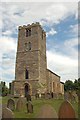

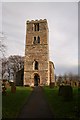
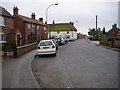

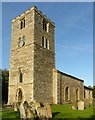

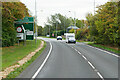
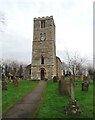
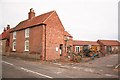
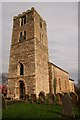
Area Information
Newton on Trent is a compact built-up area in England, covering just 25.6 hectares. Its small size means it is likely a tight-knit community where residents know their neighbours. The area’s median age is 70, suggesting a population skewed towards older adults. This demographic profile shapes daily life, with a focus on stability and established routines. The presence of Saxilby Railway Station offers access to regional transport, while nearby retail options, including three branches of Lincolnshire Co-operative Co, provide essential services within walking distance. For families, the Newton-on-Trent CofE Primary School, rated good by Ofsted, is a key local institution. Living here means prioritising convenience, with limited space for sprawling developments but a strong emphasis on proximity to amenities. The area’s character is defined by its older population and the practicality of its layout, making it suitable for those seeking a quiet, manageable lifestyle without the need for extensive commuting.
- Area Type
- Built Up Area 250
- Area Size
- 25.6 hectares
- Population
- Not available
- Population Density
- Not available
The lifestyle in Newton on Trent is shaped by its proximity to practical amenities. The Saxilby Railway Station offers direct access to regional transport, while five retail venues, including three branches of Lincolnshire Co-operative Co, provide essential shopping options within walking distance. These retail points suggest a focus on convenience rather than variety, with a limited range of stores to choose from. The absence of named parks, dining options, or leisure facilities in the data means the area’s recreational offerings are not detailed. However, the presence of a primary school and a railway station indicates a community prioritising basic needs over expansive leisure opportunities. Daily life here likely revolves around local errands, commuting, and maintaining established routines, with little room for sprawling social or recreational activities.
Amenities
Schools
The primary school nearest to Newton on Trent is the Newton-on-Trent CofE Primary School, which holds a good Ofsted rating. This institution is the only named school in the data, indicating a limited range of educational options for families. The absence of secondary schools or other educational facilities within the area suggests that families may need to look beyond Newton on Trent for comprehensive schooling. The presence of a single primary school with a good rating is a positive factor, but the lack of additional schools may be a drawback for those requiring a broader range of educational resources. Parents should consider the need for commuting to secondary schools or alternative educational provision when evaluating the area.
| Rank | School | Type | Entry gender | Ages |
|---|
Explore more schools in this area
Go to Schools tabDemographics
The population of Newton on Trent has a median age of 70, with the most common age range encompassing all age groups. This suggests a community where older adults form a significant proportion of the population. Home ownership is high, at 82%, indicating a strong presence of long-term residents and limited rental activity. The accommodation types and household composition data are not specified, but the overall demographic profile points to a settled, low-turnover area. The lack of detailed breakdowns on ethnicity or religion means the community’s diversity remains undefined in the data. For quality of life, the high home ownership rate likely correlates with a stable, mature population, though specific deprivation metrics are not provided. The area’s character is shaped by its older demographic, with fewer young families and a focus on established living.
Household Size
Accommodation Type
Tenure
Ethnic Group
Religion
Household Composition
Age
Household Deprivation
NS-SEC
Explore more demographic insights in this area
Go to Demographics tabPlanning
Planning Constraints
- Crime RiskPremium