Area Overview for New Mills
Photos of New Mills

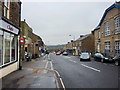
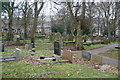
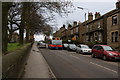
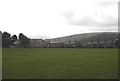

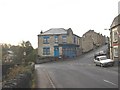
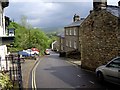
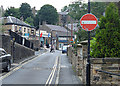
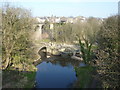
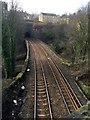
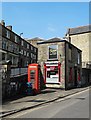
Area Information
Living in New Mills offers a distinct blend of compact urban living within a 2.4 km² area, typical of smaller towns in England. The community here is predominantly older, with a median age of 70, suggesting a population that may have settled in the area over many years. New Mills is not a sprawling city but a focused built-up area, making it easy to navigate on foot or by bike. Daily life is shaped by proximity to essential services, including five retail outlets and multiple railway stations, which connect residents to nearby towns. The area’s character is defined by its modest scale, with a strong emphasis on local amenities and a sense of familiarity. For those seeking a quieter, more stable environment, New Mills provides a low crime risk and a mix of primary schools, though it lacks the vibrancy of larger urban centres. Its appeal lies in simplicity—fewer traffic hassles, a tight-knit community feel, and a practical layout that prioritises accessibility over grandeur.
- Area Type
- Built Up Area 250
- Area Size
- 2.4 km²
- Population
- Not available
- Population Density
- Not available
New Mills offers a practical lifestyle with access to essential amenities within easy reach. The area has five retail outlets, including Sainsburys New Mills Torr, Co-op New, and Spar High, ensuring residents have options for everyday shopping. The rail network, with stations like New Mills Central and Furness Vale, connects the area to broader transport links, making it convenient for travel. While the data does not mention parks or leisure facilities, the presence of multiple retail and transport hubs suggests a focus on functionality over expansive recreational spaces. The compact nature of New Mills means amenities are closely clustered, reducing the need for long commutes. For those prioritising convenience over large-scale leisure options, the area provides a straightforward, accessible lifestyle.
Amenities
Schools
New Mills is served by several primary schools, including New Mills Primary School, which holds a good Ofsted rating, and Newtown Primary School (High Peak Federation), also rated good. Other options include Hague Bar Primary School and St George’s CofE Primary School (VA). These schools cater to a range of educational preferences, from state-funded to church-affiliated institutions. The presence of two schools with good Ofsted ratings suggests a commitment to quality education, though the absence of secondary schools means families may need to look beyond the immediate area for higher education. For parents, the mix of schools provides choice, but the limited range of secondary options could be a consideration for those planning long-term family needs.
| Rank | School | Type | Entry gender | Ages |
|---|
Explore more schools in this area
Go to Schools tabDemographics
New Mills has a median age of 70, indicating a population skewed towards older residents. This demographic profile suggests a community with a long-standing presence, potentially shaped by historical patterns of settlement. Home ownership is high, with 74% of households owning their properties, reflecting a stable, long-term resident base. The data does not specify household composition or diversity, but the absence of detailed breakdowns means assumptions about family structures or ethnic mix cannot be made. The area’s accommodation types are not detailed, but the high home ownership rate implies a mix of owner-occupied homes, likely including semi-detached and terraced properties common in smaller towns. While the data does not quantify deprivation levels, the low crime risk and presence of local amenities suggest a quality of life that balances practicality with safety.
Household Size
Accommodation Type
Tenure
Ethnic Group
Religion
Household Composition
Age
Household Deprivation
NS-SEC
Explore more demographic insights in this area
Go to Demographics tabPlanning
Planning Constraints
- Crime RiskPremium