Area Overview for Marshchapel
Photos of Marshchapel
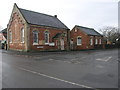
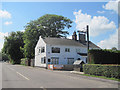
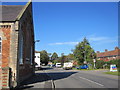
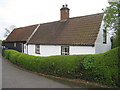
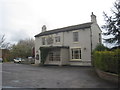
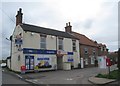

Area Information
Living in Marshchapel offers a quiet existence within a built-up area that covers 39.9 hectares. This district represents a traditional settlement rather than a sprawling urban centre, providing a defined character for those seeking a grounded residential experience. The median age here stands at 70, which defines the social fabric and indicates a mature demographic. You are entering a neighbourhood where daily life moves at a measured pace, away from the noise of larger cities. This location functions as a self-contained community where residents rely on proximity to local services. The population density is moderate enough to allow for a sense of privacy, yet small enough to maintain familiarity among neighbours. There is no large-scale industry driving the area's identity; instead, the landscape is shaped by the needs of its long-term residents. Prospective buyers should understand that this is a place for stability rather than rapid change. The area does not offer the fast-paced energy of a major metropolis, but it compensates with tranquility. When you consider homes in Marshchapel, you are choosing an environment where age and community history intersect. The size of the area ensures that everyone lives within a reasonable distance of their immediate surroundings. This compact layout means you do not need travel to access the core functions of daily living. You will find that the essence of Marshchapel lies in its simplicity and its focus on the well-being of its elderly population. It is a place where the past meets the present without the distraction of urban clutter.
- Area Type
- Built Up Area 250
- Area Size
- 39.9 hectares
- Population
- Not available
- Population Density
- Not available
Daily life in Marshchapel revolves around a small cluster of essential retail amenities within practical reach. You will find five main shops nearby, providing the core necessities for household management. Specific venues include Spar, Co-op North, and Morrisons Daily. These three stores offer a range of groceries, household supplies, and daily fresh produce without requiring a long journey into a larger town centre. Walking to Spar or the Co-op North takes just a few minutes, ensuring that routine errands remain simple and convenient. The presence of Morrisons Daily indicates that the area can accommodate families needing fresh food and potentially larger shop layouts for bulk buying. These three notable retailers form the backbone of the local high street culture. You do not need to venture far to find what you require for a week's meals or cleaning supplies. This immediate access to retail is a defining feature of the lifestyle here, supporting the low-mobility needs of the age-70 demographic. Dining options are likely integrated into these shops or small local cafes, though specific non-retail dining venues are not detailed in the current data. The convenience of living in Marshchapel lies in the self-sufficiency provided by these five shops. You can handle almost all routine shopping needs through the doors of Spar, Co-op North, or Morrisons Daily. This reduces the necessity for car ownership or frequent bus journeys for basic survival needs. The area is designed for residents who value convenience over variety, offering a streamlined approach to daily commerce. You live in an environment where the essential is always within arm's reach, fostering a lifestyle that prioritises ease and efficiency in every transaction.
Amenities
Schools
The educational provision nearest to Marshchapel consists of Marshchapel Infant School. This institution serves the primary education needs of young children within walking distance of the homes in the area. The school holds a Good Ofsted rating, which confirms that it meets the necessary standards for quality education and child welfare. This单一 presence of a named school indicates that the immediate vicinity focuses on early years education rather than secondary schooling options. For families relying on Marshchapel for their children's education, this primary school is the central pillar of the local academic landscape. The Good rating provides assurance that the curriculum and pastoral care provided are robust and effective. Parents in this area can expect a standard level of performance from the institution without needing to commute to a larger town for elementary education. The school type is explicitly defined as infant, meaning it caters to the youngest years of compulsory education. You will not find secondary schools or academies listed in the immediate data for Marshchapel. Students attending Marshchapel Infant School will eventually need to transfer to secondary institutions located outside the immediate 39.9-hectare boundary. This arrangement is typical for a small built-up area where space constraints limit the establishment of full educational complexes. The concentration on primary education suggests that the area serves as a residential base for families who prioritize proximity to the start of their child's schooling journey. When evaluating schools near Marshchapel, this single facility with its Good rating is the primary reference point.
| Rank | School | Type | Entry gender | Ages |
|---|
Explore more schools in this area
Go to Schools tabDemographics
The community in Marshchapel is notably mature, with a median age of 70 years. This statistic significantly influences how the neighbourhood operates and the kinds of support systems that develop here. Most households consist of individuals or couples in later life who have chosen this location for its peace and accessibility. The high level of home ownership at 82% reinforces the stability of the population, suggesting few transient residents pass through the district. You will observe a society where decisions are made with long-term possession in mind. Accidents of housing in Marshchapel are predominantly owned rather than rented, creating a distinct sense of belonging among residents. This ownership rate means that the area adapts slowly to changes, preserving its character against the pressures of short-term letting markets. The accommodation types reflect the needs of an older demographic, likely featuring single-level homes or properties with gardens suited to mobility requirements. Deprivation levels are not recorded in the available statistics, so we look instead at the clear indicators of a stable, lower-turnover community. The demographic profile suggests a neighbourhood where social interaction revolves around local clubs, community centres, or informal gatherings in public spaces. With 82% of homes owned by occupants, the financial pressure on families is generally lower than in areas with high rental percentages. This economic stability allows residents to invest in their immediate environment, ensuring that the neighbourhood maintains a consistent standard of upkeep. You live here not as a temporary tenant, but as a permanent member of a settled community.
Household Size
Accommodation Type
Tenure
Ethnic Group
Religion
Household Composition
Age
Household Deprivation
NS-SEC
Explore more demographic insights in this area
Go to Demographics tabPlanning
Planning Constraints
- Crime RiskPremium