Area Overview for Lincoln
Photos of Lincoln
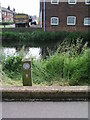

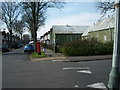
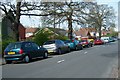
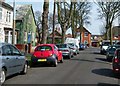
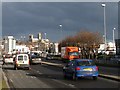
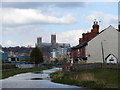

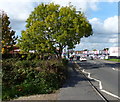
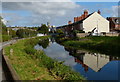

Area Information
Lincoln is a compact, built-up area in England, covering 24 square kilometres and home to 29,645 residents. Its population density of 1,237 people per square kilometre suggests a mix of urban living and community spaces. As a city with a distinct character, Lincoln balances historical significance with modern amenities. The median age of 70 indicates a community skewed toward older residents, which shapes the local culture and services. Daily life here is influenced by proximity to rail networks, with three stations within reach, and access to two nearby airfields, RAF Waddington and RAF Scampton, offering connectivity beyond the region. Retail options are varied, with five notable stores, including Morrisons and Asda, within practical reach. For families, the area offers a range of schools, from nurseries to primary schools with Ofsted ratings ranging from good to satisfactory. Living in Lincoln means navigating a mix of practicality and accessibility, with a focus on convenience for both residents and commuters.
- Area Type
- District/Borough
- Area Size
- 24.0 km²
- Population
- 29645
- Population Density
- 1237 people/km²
Demographics
Lincoln’s population includes a median age of 70, reflecting a community where older residents predominate. This age profile suggests a demographic shaped by retirement and long-term residency rather than a growing family population. Home ownership in the area stands at 56%, indicating a balance between owner-occupied properties and rental homes. The data does not specify household composition or accommodation types, but the overall figures imply a stable, settled community. The absence of detailed breakdowns on ethnic groups or religions means the area’s diversity remains unquantified in this dataset. However, the high population density and mix of amenities suggest a functional, interconnected society. For prospective buyers, the age profile and home ownership rate highlight a market where older properties may be more common, and the local economy likely caters to established residents rather than transient populations.
Household Size
Accommodation Type
Tenure
Ethnic Group
Religion
Household Composition
Age
Household Deprivation
NS-SEC
Explore more demographic insights in this area
Go to Demographics tabPlanning
Planning Constraints
- Crime RiskPremium