Area Overview for Lilbourne
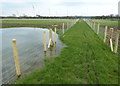
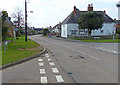
Photos of Lilbourne
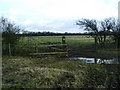
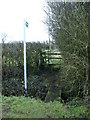
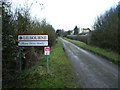
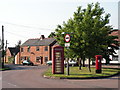


Area Information
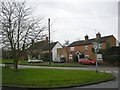
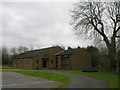
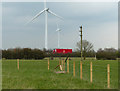
Living in Lilbourne offers a defined sense of place within the Kent countryside. This civil parish covers an area of 6.9 km², creating a compact footprint for residents to navigate. You will find yourself in a location characterised by tight-knit roles and established routines rather than rapid urban expansion. The village structure ensures that daily life revolves around local amenities and familiar surroundings. Prospective buyers seeking a residential retreat outside the main commuter hubs often gravitate towards settlements of this scale. The specific dimensions of the parish mean that distances between homes are manageable, fostering a neighbourly environment. You are stepping away from the rush of major cities while retaining access to rural landscapes. The layout supports a lifestyle focused on quiet enjoyment and community interaction. Those considering homes in Lilbourne should understand they are entering a traditional setting where change happens slowly. The manageable size of the parish means that walks to local points of interest form the backbone of daily activity. This area functions as a self-contained unit where the pace of life remains consistent. The character of Lilbourne persists because the physical boundaries are clear and the community identity is strong. Living here requires acceptance of a slower rhythm that prioritises stability over vibrancy. The 6.9 km² extent defines the limits of your immediate world, offering clarity about what lies within reach. You can expect a homely atmosphere where the focus remains on local connection rather than commercial development. The village provides a stable backdrop for families and retirees alike who value predictability in their surroundings. Homes in Lilbourne stand as part of this enduring landscape, offering continuity amidst the shifting tides of modern property trends. The parish acts as a contained environment where your neighbours become integral to your daily experience.
- Area Type
- Parish
- Area Size
- 6.9 km²
- Population
- Not available
- Population Density
- Not available
Demographics
The community profile in Lilbourne reflects a mature population with distinct demographic characteristics. The median age stands at 70 years, indicating that the area is predominantly inhabited by older residents. This age skew shapes the social fabric, with neighbours likely sharing life experiences spanning several decades. You will encounter a neighbourhood where retirement and later-life living define the primary household dynamic. The 79% home ownership rate confirms that most people who live in Lilbourne reside in their own properties rather than renting. This high level of ownership suggests financial stability among residents and a long-term commitment to the locality. The data shows a clear trend towards settled households who have chosen to remain in this parish for their life stage. Such figures often correlate with lower mobility and a stronger sense of established community roots. While the specific breakdown of household composition and ethnicity is not detailed in the available statistics, the age profile implies a homogenous group of residents. The accommodation types generally align with this ownership pattern, featuring homes suited to older demographics. You can expect a quiet environment where the primary demographic drives local消费需求 and social activities. The concentration of residents over the age of 70 means that services often cater to those with specific health or mobility needs. Living in Lilbourne involves integrating into a society where age is a defining characteristic of the resident body. The high ownership percentage reinforces the idea that these are people who have invested deeply in their community over time. You are entering a market dominated by those who prioritise security and permanence in their housing choices.
Household Size
Accommodation Type
Tenure
Ethnic Group
Religion
Household Composition
Age
Household Deprivation
NS-SEC
Explore more demographic insights in this area
Go to Demographics tabPlanning
Planning Constraints
- Flood RiskPremium
- Ramsar Wetland SitesPremium
- Area of Outstanding Natural BeautyPremium
- Protected Nature ReservePremium
- Protected WoodlandPremium