Area Overview for Laughterton
Photos of Laughterton

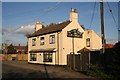

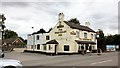
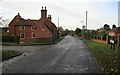
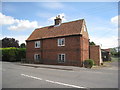
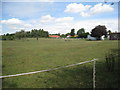


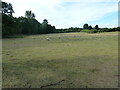
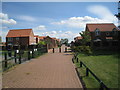
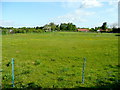
Area Information
Laughterton is a built-up area covering 24.8 hectares, offering a compact living environment for those seeking a settled neighbourhood. The population here reflects a distinct demographic shift toward later life, with a median age of 70 years. This figure suggests the community is largely populated by retirees or long-term residents who have established deep roots in the locality. Living in Laughterton means accepting a small-scale settlement where density is managed within a relatively small footprint. The area functions as a quiet suburb rather than a bustling city centre, ideal for individuals prioritising peace over urban vibrancy. Your daily routine will likely involve local village interactions rather than commuting through major city centres. The physical characteristics of the 24.8-hectare zone create a contained environment where distances between homes are short. This geographical constraint supports a close-knit feel but limits the scope for large-scale commercial or leisure developments. Understanding the size and age profile of Laughterton is essential when evaluating if the location suits your lifestyle needs.
- Area Type
- Built Up Area 250
- Area Size
- 24.8 hectares
- Population
- Not available
- Population Density
- Not available
Daily life in Laughterton focuses on essential convenience rather than extensive leisure options, given the compact 24.8-hectare size. The nearest retail provision is represented by three specific stores: the Lincolnshire Co-operative Co appears repeatedly as the primary shopping destination. This repetition suggests the Co-operative serves as the central hub for groceries, household essentials, and potentially other services for the whole neighbourhood. Residents rarely need to walk far to pick up basic necessities, which aligns well with the older demographic profile. Beyond local shops, the only named transport node within practical reach is Saxilby Railway Station. This station offers the primary connection to wider networks, although the station itself is located slightly outside the immediate built-up core. There is no specific leisure data or park names provided in the current dataset, so local entertainment will likely depend on the immediate surroundings of these few key amenities. The lifestyle here is utilitarian and self-contained. You will find your providers in the Co-operative stores and your travel plans revolve around Saxilby. This setup works well for simple needs but lacks the variety of a larger town centre.
Amenities
Schools
| Rank | School | Type | Entry gender | Ages |
|---|
Explore more schools in this area
Go to Schools tabDemographics
The community in Laughterton is defined by an older resident population, confirmed by a median age of 70 years. This statistic indicates that the most common age group centres around the seventh decade of life, shaping the local culture and services. Home ownership stands at an impressive 82 per cent, creating a stable community where many residents have invested in their property rather than renting. This high rate of ownership contrasts sharply with typical urban rental markets, suggesting a long-term residency history. The majority of households in Laughterton therefore consist of owners occupying their own accommodation, rather than tenants living in rented flats or shared properties. While specific data on ethnic composition and religious affiliation is not detailed in this set, the high ownership rate often correlates with slower demographic turnover. The absence of younger families or students in significant numbers further reinforces the quiet, retiree-led character of the neighbourhood. Deprivation levels are not explicitly broken down by index scores here, but the high ownership rate generally points away from areas with high economic distress. You should expect a demographic environment dominated by past rather than present working-age workers.
Household Size
Accommodation Type
Tenure
Ethnic Group
Religion
Household Composition
Age
Household Deprivation
NS-SEC
Explore more demographic insights in this area
Go to Demographics tabPlanning
Planning Constraints
- Crime RiskPremium