Area Overview for Langar cum Barnstone
Photos of Langar cum Barnstone
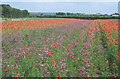
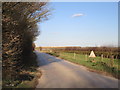
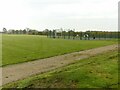
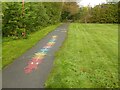
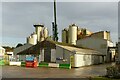
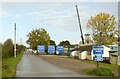
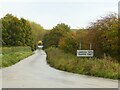

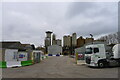
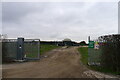
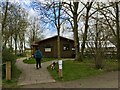
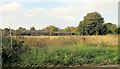
Area Information
Living in Langar cum Barnstone offers a distinct rural lifestyle within a civil parish covering 16.3 km² of land. This location sits between Langar, Nottinghamshire, and Barnstone, Staffordshire, creating a community bordering two counties. You find a quiet setting typical of the English countryside, yet some amenities remain accessible. The area does not contain major urban centres, but its positioning allows residents to maintain a connection with nearby towns for essential services. Daily life revolves around the quiet rhythm of village living rather than city pace. Homeowners make up the vast majority of residents, indicating that the area appeals primarily to buyers rather than tenants. This pattern suggests stability among the population who have chosen to settle permanently. The parish lacks significant industrial or commercial zones, focusing instead on residential density and natural surroundings. You will not encounter the noise or congestion found in larger urban developments here. The character of the neighbourhood is defined by its openness and the presence of local community life. Prospective buyers should note that this is a traditional settlement where property values reflect local purchasing patterns rather than market speculation. The combination of low population density and high ownership rates creates a stable environment for those seeking peace. You can expect a community where neighbours know each other, though the precise size of the total population is not detailed in current records. The land area provides enough space for expansion while preserving the rural feel that draws people to the region.
- Area Type
- Parish
- Area Size
- 16.3 km²
- Population
- Not available
- Population Density
- Not available
Demographics
The community in Langar cum Barnstone is defined by a significantly older population compared to the national average. The median age stands at 70 years old, placing it among the most mature localities in the UK. This age profile indicates that the area caters primarily to retirees or older adults who have moved to the countryside. Most residents fall into older age brackets, which shapes the social dynamics and local demand for services. Home ownership levels are exceptionally high at 84 per cent of all households. This figure confirms that the local housing stock is predominantly occupied by people who own their properties outright or have a substantial mortgage. Very few households are renting, which contrasts sharply with major cities where rental properties form a large portion of the market. This environment typically offers greater stability for residents who can afford to purchase locally. Accommodation types and household composition data indicate a traditional family and single-occupancy structure. The predominant ethnic group, religion, and specific household breakdowns align with the homogenous nature of rural retirement communities. While specific diversity figures for this parish are not elaborated, the high ownership rate and age suggest a long-standing resident base. Deprivation measures are absent from the current records, so you must rely on income and ownership data to gauge living standards. The lack of rental demand suggests that financial insecurity is not a primary driver for housing choices here.
Household Size
Accommodation Type
Tenure
Ethnic Group
Religion
Household Composition
Age
Household Deprivation
NS-SEC
Explore more demographic insights in this area
Go to Demographics tabPlanning
Planning Constraints
- Flood RiskPremium
- Ramsar Wetland SitesPremium
- Area of Outstanding Natural BeautyPremium
- Protected Nature ReservePremium
- Protected WoodlandPremium