Area Overview for Kirton (Boston)
Photos of Kirton (Boston)
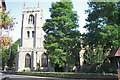
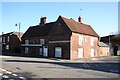
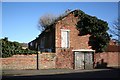
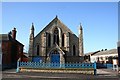

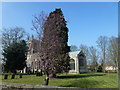
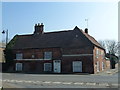
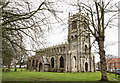

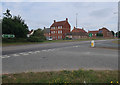
Area Information
Living in Kirton (Boston) means residing within a compact built-up area that spans just 1.9 square kilometres. This small town offers a sense of community where residents benefit from close proximity to all essential services. The area is situated within the broader context of Boston, providing easy access to larger facilities while maintaining a more settled pace of life. You will find that daily living here involves walking distances to local shops and public transport hubs. The physical size of the settlement ensures that neighbours and community groups remain within easy reach. This compact nature defines the neighbourhood character, fostering environments where local interactions are common. Prospective homebuyers appreciate how this layout minimises travel time for routine errands. Short commutes to Boston itself are another practical benefit of choosing this location. The relatively small footprint allows for quick navigation of the streets without the congestion found in larger urban centres. You gain a quiet environment that still balances connectivity with the slower rhythm of rural life. The area serves as a functional residential zone with direct links to wider networks.
- Area Type
- Built Up Area 250
- Area Size
- 1.9 km²
- Population
- Not available
- Population Density
- Not available
Daily life in Kirton (Boston) revolves around a selection of local amenities that cover essential retail and travel needs. Three supermarkets serve the immediate community, with Co-op Kirton, Spar, and another Spar outlet providing convenient shopping options. These stores are located within walking distance, allowing you to pick up groceries and household staples without long journeys. For travel, three railway stations are situated nearby, offering frequent connections to Boston and beyond. Boston Railway Station, Hubberts Bridge Railway Station, and Swineshead Railway Station provide regular services for commuters and visitors. This mix of retail and rail infrastructure ensures that you rarely need to travel far for basic requirements. Dining options are present through the supermarkets and local chip shops, though dedicated restaurant districts are not highlighted in the immediate vicinity. The layout prioritises functionality over grand leisure complexes, favouring neighbourhood convenience. You will find that errands are quick and local services are abundant. This balance allows residents to enjoy the quiet of a town while retaining access to practical commerce.
Amenities
Schools
Families in Kirton (Boston) have access to three nearby educational institutions that cater to young children and teenagers. Kirton Primary School offers primary education and holds a Good rating from Ofsted, indicating high standards in its curriculum and care for students. Another option for young learners is Middlecott School, which also operates at the primary level. For older children attending secondary education, Thomas Middlecott Academy serves the area. This academy currently holds a Satisfactory rating from Ofsted, meeting the required standards for education provision. The presence of both maintained primary schools and an academy provides choices that may suit different educational philosophies. Students can transition smoothly from primary to secondary settings without changing location. Parents choosing homes in Kirton (Boston) can evaluate these specific options based on their child's needs and performance records. The proximity of these schools means many residents walk their children to education, supporting local independence. You will find that educational catchment areas are a central consideration for anyone moving to this neighbourhood.
| Rank | School | Type | Entry gender | Ages |
|---|
Explore more schools in this area
Go to Schools tabDemographics
The community in Kirton (Boston) displays a distinct age profile with a median age of 70 years. Most residents fall into older age brackets, reflecting a settlement that attracts retirees and long-term settled households. Sixty-six per cent of homes are owner-occupied, which indicates a high level of stability within the population. This ownership rate suggests that many families have lived in their properties for significant periods. Household compositions typically reflect smaller family units or single-person households common in areas with older demographics. While specific details on household types are aggregated in the total figures, the high ownership rate points towards established residents rather than transient workers. The population lacks diverse ethnic or religious breakdowns in the provided data, though the overall demographic picture centres on an older community. This age structure influences local demand towards healthcare services and leisure activities suitable for seniors. Deprivation metrics are not highlighted here, but the high home ownership suggests financial stability among residents. You should expect a neighbourly environment where long-term ties define social interactions. This demographic snapshot helps you understand the rhythm of life and who your potential neighbours would be.
Household Size
Accommodation Type
Tenure
Ethnic Group
Religion
Household Composition
Age
Household Deprivation
NS-SEC
Explore more demographic insights in this area
Go to Demographics tabPlanning
Planning Constraints
- Crime RiskPremium