Area Overview for Heanor
Photos of Heanor
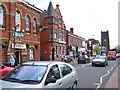
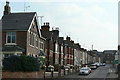
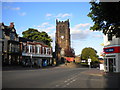
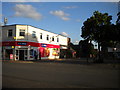
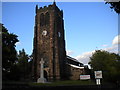
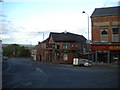

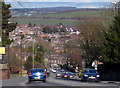
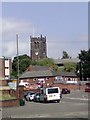
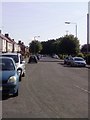
Area Information
Living in Heanor offers a compact, tightly knit community within a 6.7 km² area, home to 3,207 residents. The population density of 475 people per square kilometre suggests a mix of established housing and local amenities. Heanor sits in Derbyshire, with proximity to nearby towns like Ilkeston and Belper, offering easy access to regional services. Daily life here balances small-town charm with practical connectivity. The area’s median age of 70 indicates a mature population, often reflected in its quiet, residential character. Residents benefit from nearby schools, rail links, and retail hubs, making it a viable option for those seeking a settled lifestyle. While the population is relatively small, the presence of multiple primary schools and transport options ensures a functional environment for families and commuters alike. Heanor’s modest size means a strong sense of local identity, though its infrastructure is designed for convenience rather than urban sprawl. For buyers, the area’s blend of affordability and accessibility could appeal to those prioritising community over city amenities.
- Area Type
- Built Up Area 250
- Area Size
- 6.7 km²
- Population
- 3207
- Population Density
- 475 people/km²
Heanor’s lifestyle is shaped by its proximity to essential amenities. Retail options include Iceland Heanor, Aldi Marlpool, and Co-op Langley, providing everyday shopping convenience. The area’s rail stations and Phoenix Park Tram Stop connect residents to broader networks, enabling access to cultural or leisure activities beyond the town. While the data does not specify parks or recreational spaces, the presence of schools and retail hubs suggests a focus on practical living. The compact layout ensures amenities are within walking or short driving distance, fostering a sense of accessibility. For families, the combination of schools and transport links supports a balanced daily routine. The absence of detailed information on leisure facilities means buyers should explore local parks or community centres for recreation. Overall, Heanor offers a functional lifestyle with an emphasis on connectivity and convenience.
Amenities
Schools
Heanor’s proximity to five primary schools makes it a practical choice for families. These include Aldercar Infant School, Heanor Langley Infant School & Nursery, Langley Mill Junior School, William Howitt Junior Community School, and Marlpool Junior School, which holds a ‘good’ Ofsted rating. The concentration of primary schools suggests a focus on early education, though no secondary schools are listed in the data. The mix of infant and junior schools indicates a structured approach to local education, ensuring children can attend schools within walking distance. For parents, the presence of a school with a ‘good’ rating may be a key factor in deciding to settle in Heanor. The absence of secondary school data means families may need to consider commuting to nearby towns for further education. Nonetheless, the variety of primary options supports a family-friendly environment.
| Rank | School | Type | Entry gender | Ages |
|---|
Explore more schools in this area
Go to Schools tabDemographics
Heanor’s population of 3,207 is concentrated in a 6.7 km² area, resulting in a density of 475 people per square kilometre. The median age of 70 suggests a community skewed towards older residents, with the most common age range encompassing the total population. Home ownership rates stand at 67%, indicating a mix of owner-occupied properties and rental stock. Accommodation types and household compositions are not specified, but the high proportion of older residents may influence housing stock trends. The area’s demographic profile lacks detailed breakdowns on ethnicity or religion, but the data implies a relatively homogenous population. The absence of specific deprivation metrics means quality of life factors like healthcare or social services are not quantified. However, the presence of multiple primary schools and transport links suggests efforts to meet local needs. For prospective buyers, the older demographic may align with preferences for low-maintenance housing or retirement-focused living.
Household Size
Accommodation Type
Tenure
Ethnic Group
Religion
Household Composition
Age
Household Deprivation
NS-SEC
Explore more demographic insights in this area
Go to Demographics tabPlanning
Planning Constraints
- Crime RiskPremium