Area Overview for Great Carlton
Photos of Great Carlton
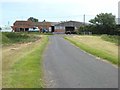
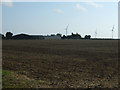
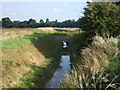


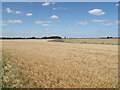



Area Information
Great Carlton is a distinct civil parish located within England, covering a total land area of 9.7 square kilometres. This relatively compact size defines the scale of daily life for those living in Great Carlton, offering a focused community environment rather than a sprawling urban landscape. The setting supports a specific type of residential character where proximity to neighbours is a defining feature of the neighbourhood. You can expect a settled atmosphere where the boundaries between private gardens and public spaces are clearly understood. The parish structure provides a formal administrative framework that often influences local decision-making regarding green spaces and infrastructure maintenance. Living in Great Carlton means participating in a community with established routines and a clear sense of place. The area does not host large industrial complexes or major commercial high streets, which keeps noise and traffic levels comparatively manageable. Instead, the focus remains on housing and the immediate surroundings that support domestic life. Your daily commute starts from a defined boundary where the 9.7 km² confines the extent of the walkable environment. This makes the parish suitable for those who prefer a contained lifestyle where the major amenities of a larger town are accessed via regional transport links rather than local shopping parks. The distinct identity of the parish ensures that discussions about planning or development remain localised and relevant to the specific needs of the residents in Great Carlton. While the area lacks the extensive infrastructure of a major city centre, its discrete nature provides a tranquil backdrop for home ownership. The small footprint of the parish means that visits to the nearest large town or railway station require deliberate travel arrangements. This limitation shapes the rhythm of life, encouraging reliance on personal vehicles for trips beyond the parish limits. Consequently, the community functions cohesively, with the 9.7 km² area serving as the primary sphere of interaction for its inhabitants. You find a place where the introduction of new housing or changes to the road network are scrutinised carefully given the limited space available. The result is a居住环境 that values stability and continuity over rapid expansion. Residents in Great Carlton form an older demographic, with a median age of 70 years. This figure indicates that the population skews significantly towards retirees or long-term residents who have settled in the area for decades. The most common age range data simply confirms the total population distribution without isolating specific youth cohorts, reinforcing the picture of a mature community. With a home ownership rate of 84 per cent, almost nine out of ten households in Great Carlton reside in properties they own outright or have a substantial mortgage. This high level of ownership suggests low turnover and a stable property market where owners have a long-term commitment to their neighbourhood. The household composition and accommodation type data reflect a total inventory that aligns with this ownership pattern, showing minimal rental activity. Your daily interactions in the parish will likely involve neighbours who have lived there for many years, fostering a quiet but close-knit social fabric. The predominant ethnic group and religious affiliations are described in total terms, indicating a relatively homogenous population typical of many rural or small-parish settings. This homogeneity contributes to a predictable social environment where community expectations are clear and shared. You can expect a neighbourhood where tradition holds more sway than transient influences found in more urban areas. The dearth of young families in the age profile points to a market that lacks new-build developments catering to families. Instead, the housing stock is designed for individual retirement or couples without children. This demographic reality influences local services, with facilities likely catering to older age groups rather than childcare or teenage leisure activities. If you are considering homes in Great Carlton, understand that the built environment reflects the needs of an elderly population. High home ownership rates mean that leasehold options or shared ownership schemes are rare, limiting entry methods for younger buyers. The community feels established and traditional, with social life revolving around familiar routines and long-standing local connections rather than new arrivals seeking a modern lifestyle. The housing market in Great Carlton is defined by a high concentration of owner-occupied homes, with 84 per cent of all accommodations registered in private ownership. This statistic confirms that rental properties are scarce within the parish boundaries. When you look at the homes in Great Carlton, you will primarily encounter houses that current residents have lived in for extended periods. The low percentage of rented accommodation indicates that the local housing stock is not dominated by private landlords or large institutional investors. New residents joining the market must typically compete with existing owners or look to the limited available properties on the open market. Accommodation types in the area align with this ownership structure, suggesting a prevalence of detached or semi-detached properties suitable for older adults. The mix of housing is likely weighted towards bungalows or single-storey homes, given the high median age of 70 years. You will find few new builds or purpose-built rental blocks, as the 84 per cent ownership rate stifles rapid turnover. This market dynamic means that price volatility is often low, with property values changing slowly alongside the town's overall economic conditions. If you seek to purchase a home, expect a market where sellers maintain high control over their listings. The lack of rental data further emphasises that buying is the standard route to local residency. This is not a commuter belt area where many workers rent short-term; instead, people move to live legitimately settle in Great Carlton. Prospective buyers must therefore weigh the high cost of entry against the benefits of stability that come with this ownership model. The neighbourhood is entrenched with permanent residents who have investmented heavily in their local surroundings. This creates a barrier to entry for younger buyers but ensures that once you purchase a home, you join a stable community. The property market here rewards patience rather than speculative flipping, aligning perfectly with the area's demographic reality. Digital connectivity in Great Carlton presents a stark contrast between mobile services and fixed broadband. Mobile coverage scores 82 out of 100, indicating a strong signal for residents using smartphones for navigation, emergency calls, and communication while walking around the parish. This reliability should support routine mobile usage and keep you connected regardless of your specific location within the 9.7 km² area. However, fixed broadband quality scores significantly lower at 19 out of 100. This poor level of fixed internet performance is a critical factor if you intend to work from home or rely heavily on streaming services. You will experience frequent disruptions or painfully slow load times on any fixed-line internet connection installed in your new home. This limitation affects everything from video conferencing to large file uploads, making high-speed remote work difficult. While your mobile phone functions well outside, sitting at a desk with poor fixed broadband means you cannot depend on it for professional tasks. This imbalance means that residents must prioritise mobile data for urgent communications or rely on neighbours with stronger connections if shared options exist. For anyone considering purchasing homes in Great Carlton, you must accept that high-speed fixed internet is unavailable. This digital infrastructure gap effectively rules out Great Carlton for anyone whose livelihood depends on reliable broadband. You might manage basic browsing, but online multiplayer gaming or cloud-based workflows will fail. The area remains suitable for those with flexible working arrangements or those who have good connections to faster networks in nearby towns for their primary remote work. Daily life involving heavy internet consumption requires you to plan carefully around these technical constraints. The strong mobile signal compensates somewhat for life management, but professional digital needs remain a significant hurdle. Safety and environmental assessments for Great Carlton reveal significant concerns regarding flood risk alongside reassuring findings on crime. The area carries a critical level of flood risk with a score of 60.65. This high risk coverage means that a substantial portion of the land is vulnerable to water inundation, making it a primary consideration when viewing properties. You must scrutinise flood zones carefully before purchasing, as this risk level suggests that insurance costs could be elevated and some properties may be unsuitable for permanent habitation without mitigation measures. This environmental hazard is a defining constraint for anyone planning to move to this parish. Regarding crime, the neighbourhood performs well with a pass level and a safety score of 75 out of 100. This indicates that Great Carlton has below-average crime rates compared to similar areas. You can expect a peaceful setting where property crime and street agitation are uncommon. This statistic offers reassurance that the low population density and quiet atmosphere do not translate to a dangerous environment. The combination of low crime and high flood risk creates a unique safety profile. While the streets are generally secure, the threat of flooding poses a tangible danger that you must factor into your long-term planning. Planning constraints show that the area passes checks for Ramsar sites, Areas of Outstanding Natural Beauty, and protected woodlands, with zero coverage recorded. This means you are not buying into a restrictive landscape where open space creation is mandated by strict conservation laws. However, the critical flood risk assessment overrides other planning considerations regarding land use. Residents should expect potential restrictions on building extensions in flood zones despite the lack of other protected designations. The safety of the community relies heavily on how you manage your specific property against water threats rather than criminal activity. How old is the typical population of Great Carlton?The community is notably older than the national average, with a median age of 70 years. This demographic profile means you are joining a neighbourhood dominated by retirees and long-term residents rather than young families or working-age professionals. What are the prisonyards for homes in Great Carlton?Home ownership is extremely common, with 84 per cent of households owning their properties. This high rate signals a stable market where most residents own their homes, making it an area built for owner-occupiers rather than renters or investors. Is internet reliable enough for working from home?Your fixed broadband connection will score 19 out of 100 for quality, which is poor. While mobile coverage is good at 82 out of 100, relying on fixed-line internet for professional work will likely result in frustratingly slow speeds and frequent disruptions. Are there any immediate safety concerns I should know about?The most significant risk is flooding, which covers high-risk areas of the parish. However, crime rates are low with a safety score of 75, indicating a secure neighbourhood from a criminal activity perspective. You must prioritise flood checks when looking at specific plots.
- Area Type
- Parish
- Area Size
- 9.7 km²
- Population
- Not available
- Population Density
- Not available
Demographics
Residents in Great Carlton form an older demographic, with a median age of 70 years. This figure indicates that the population skews significantly towards retirees or long-term residents who have settled in the area for decades. The most common age range data simply confirms the total population distribution without isolating specific youth cohorts, reinforcing the picture of a mature community. With a home ownership rate of 84 per cent, almost nine out of ten households in Great Carlton reside in properties they own outright or have a substantial mortgage. This high level of ownership suggests low turnover and a stable property market where owners have a long-term commitment to their neighbourhood. The household composition and accommodation type data reflect a total inventory that aligns with this ownership pattern, showing minimal rental activity. Your daily interactions in the parish will likely involve neighbours who have lived there for many years, fostering a quiet but close-knit social fabric. The predominant ethnic group and religious affiliations are described in total terms, indicating a relatively homogenous population typical of many rural or small-parish settings. This homogeneity contributes to a predictable social environment where community expectations are clear and shared. You can expect a neighbourhood where tradition holds more sway than transient influences found in more urban areas. The dearth of young families in the age profile points to a market that lacks new-build developments catering to families. Instead, the housing stock is designed for individual retirement or couples without children. This demographic reality influences local services, with facilities likely catering to older age groups rather than childcare or teenage leisure activities. If you are considering homes in Great Carlton, understand that the built environment reflects the needs of an elderly population. High home ownership rates mean that leasehold options or shared ownership schemes are rare, limiting entry methods for younger buyers. The community feels established and traditional, with social life revolving around familiar routines and long-standing local connections rather than new arrivals seeking a modern lifestyle. The housing market in Great Carlton is defined by a high concentration of owner-occupied homes, with 84 per cent of all accommodations registered in private ownership. This statistic confirms that rental properties are scarce within the parish boundaries. When you look at the homes in Great Carlton, you will primarily encounter houses that current residents have lived in for extended periods. The low percentage of rented accommodation indicates that the local housing stock is not dominated by private landlords or large institutional investors. New residents joining the market must typically compete with existing owners or look to the limited available properties on the open market. Accommodation types in the area align with this ownership structure, suggesting a prevalence of detached or semi-detached properties suitable for older adults. The mix of housing is likely weighted towards bungalows or single-storey homes, given the high median age of 70 years. You will find few new builds or purpose-built rental blocks, as the 84 per cent ownership rate stifles rapid turnover. This market dynamic means that price volatility is often low, with property values changing slowly alongside the town's overall economic conditions. If you seek to purchase a home, expect a market where sellers maintain high control over their listings. The lack of rental data further emphasises that buying is the standard route to local residency. This is not a commuter belt area where many workers rent short-term; instead, people move to live legitimately settle in Great Carlton. Prospective buyers must therefore weigh the high cost of entry against the benefits of stability that come with this ownership model. The neighbourhood is entrenched with permanent residents who have investmented heavily in their local surroundings. This creates a barrier to entry for younger buyers but ensures that once you purchase a home, you join a stable community. The property market here rewards patience rather than speculative flipping, aligning perfectly with the area's demographic reality. Digital connectivity in Great Carlton presents a stark contrast between mobile services and fixed broadband. Mobile coverage scores 82 out of 100, indicating a strong signal for residents using smartphones for navigation, emergency calls, and communication while walking around the parish. This reliability should support routine mobile usage and keep you connected regardless of your specific location within the 9.7 km² area. However, fixed broadband quality scores significantly lower at 19 out of 100. This poor level of fixed internet performance is a critical factor if you intend to work from home or rely heavily on streaming services. You will experience frequent disruptions or painfully slow load times on any fixed-line internet connection installed in your new home. This limitation affects everything from video conferencing to large file uploads, making high-speed remote work difficult. While your mobile phone functions well outside, sitting at a desk with poor fixed broadband means you cannot depend on it for professional tasks. This imbalance means that residents must prioritise mobile data for urgent communications or rely on neighbours with stronger connections if shared options exist. For anyone considering purchasing homes in Great Carlton, you must accept that high-speed fixed internet is unavailable. This digital infrastructure gap effectively rules out Great Carlton for anyone whose livelihood depends on reliable broadband. You might manage basic browsing, but online multiplayer gaming or cloud-based workflows will fail. The area remains suitable for those with flexible working arrangements or those who have good connections to faster networks in nearby towns for their primary remote work. Daily life involving heavy internet consumption requires you to plan carefully around these technical constraints. The strong mobile signal compensates somewhat for life management, but professional digital needs remain a significant hurdle. Safety and environmental assessments for Great Carlton reveal significant concerns regarding flood risk alongside reassuring findings on crime. The area carries a critical level of flood risk with a score of 60.65. This high risk coverage means that a substantial portion of the land is vulnerable to water inundation, making it a primary consideration when viewing properties. You must scrutinise flood zones carefully before purchasing, as this risk level suggests that insurance costs could be elevated and some properties may be unsuitable for permanent habitation without mitigation measures. This environmental hazard is a defining constraint for anyone planning to move to this parish. Regarding crime, the neighbourhood performs well with a pass level and a safety score of 75 out of 100. This indicates that Great Carlton has below-average crime rates compared to similar areas. You can expect a peaceful setting where property crime and street agitation are uncommon. This statistic offers reassurance that the low population density and quiet atmosphere do not translate to a dangerous environment. The combination of low crime and high flood risk creates a unique safety profile. While the streets are generally secure, the threat of flooding poses a tangible danger that you must factor into your long-term planning. Planning constraints show that the area passes checks for Ramsar sites, Areas of Outstanding Natural Beauty, and protected woodlands, with zero coverage recorded. This means you are not buying into a restrictive landscape where open space creation is mandated by strict conservation laws. However, the critical flood risk assessment overrides other planning considerations regarding land use. Residents should expect potential restrictions on building extensions in flood zones despite the lack of other protected designations. The safety of the community relies heavily on how you manage your specific property against water threats rather than criminal activity. How old is the typical population of Great Carlton?The community is notably older than the national average, with a median age of 70 years. This demographic profile means you are joining a neighbourhood dominated by retirees and long-term residents rather than young families or working-age professionals. What are the prisonyards for homes in Great Carlton?Home ownership is extremely common, with 84 per cent of households owning their properties. This high rate signals a stable market where most residents own their homes, making it an area built for owner-occupiers rather than renters or investors. Is internet reliable enough for working from home?Your fixed broadband connection will score 19 out of 100 for quality, which is poor. While mobile coverage is good at 82 out of 100, relying on fixed-line internet for professional work will likely result in frustratingly slow speeds and frequent disruptions. Are there any immediate safety concerns I should know about?The most significant risk is flooding, which covers high-risk areas of the parish. However, crime rates are low with a safety score of 75, indicating a secure neighbourhood from a criminal activity perspective. You must prioritise flood checks when looking at specific plots.
Household Size
Accommodation Type
Tenure
Ethnic Group
Religion
Household Composition
Age
Household Deprivation
NS-SEC
Explore more demographic insights in this area
Go to Demographics tabPlanning
Planning Constraints
- Flood RiskPremium
- Ramsar Wetland SitesPremium
- Area of Outstanding Natural BeautyPremium
- Protected Nature ReservePremium
- Protected WoodlandPremium
- Crime RiskPremium