Area Overview for Forest Town
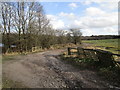
Photos of Forest Town
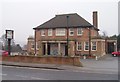


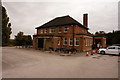

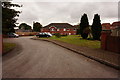
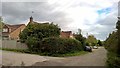
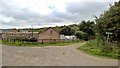
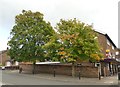
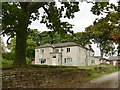
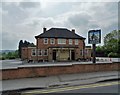
Area Information
Forest Town is a compact built-up area in England, covering 4.9 km² and home to 1,717 residents. With a population density of 350 people per square kilometre, it is a small but tightly knit community. The area’s character is shaped by its modest size and the presence of nearby amenities, including multiple schools and railway stations. Daily life here is influenced by the proximity to transport links and retail hubs, which cater to local needs. The demographic profile suggests a mature population, with a median age of 70, indicating a community that may lean towards retirement or long-term residents. Forest Town’s appeal lies in its balance of practicality and accessibility, offering residents a mix of essential services within a short reach. For those considering living here, the area’s low crime risk and strong broadband connectivity add to its appeal. Whether you’re seeking a quiet place to settle or a base for commuting, Forest Town provides a straightforward, no-frills environment.
- Area Type
- Built Up Area 250
- Area Size
- 4.9 km²
- Population
- 1717
- Population Density
- 350 people/km²
Living in Forest Town offers access to essential amenities within practical reach. The area is served by five retail outlets, including Co-op Forest, Heron Clipstone, and Co-op Clipstone, providing grocery and general shopping options. Rail connectivity is robust, with five nearby stations offering links to Mansfield, Shirebrook, and beyond, which is particularly useful for commuters. While the data does not mention parks or leisure facilities, the presence of schools and retail hubs suggests a focus on practicality over expansive recreational spaces. The character of the area is defined by its compact size and the convenience of nearby services, making it suitable for those prioritising accessibility over large-scale amenities. Daily life here is likely to revolve around local shops, regular train services, and the close-knit community atmosphere.
Amenities
Schools
Forest Town is served by several primary schools, including Forest Town Junior School, Forest Town Infant School, John T Rice Infant and Nursery School, Newlands Junior School, and Samuel Barlow Primary and Nursery Academy. Of these, John T Rice and Newlands have Ofsted ratings of “good,” indicating a solid standard of education. The presence of multiple primary schools suggests a focus on early education, with options for both nursery and junior levels. Families with young children may benefit from the proximity of these schools, though the absence of secondary schools in the data means further research would be needed for older students. The mix of school types provides flexibility for parents, but the lack of specific data on performance metrics or catchment areas leaves some aspects of the educational landscape unexplored.
| Rank | School | Type | Entry gender | Ages |
|---|
Explore more schools in this area
Go to Schools tabDemographics
The population of Forest Town has a median age of 70, reflecting a community skewed towards older residents. This aligns with the most common age range listed as “Total,” suggesting a broad demographic spread. Home ownership is high, with 69% of households owning their homes, indicating a stable, long-term resident base. The accommodation types and household compositions are not specified in the data, but the high ownership rate implies a predominance of owner-occupied properties. The area’s diversity is not quantified, though the predominant ethnic group and religious breakdown are listed as “Total,” which may indicate a lack of detailed segmentation. For quality of life, the combination of high home ownership and a low crime risk suggests a relatively secure, settled environment. However, the absence of specific data on deprivation or income levels means the full picture of economic conditions remains unclear.
Household Size
Accommodation Type
Tenure
Ethnic Group
Religion
Household Composition
Age
Household Deprivation
NS-SEC
Explore more demographic insights in this area
Go to Demographics tabPlanning
Planning Constraints
- Crime RiskPremium