Area Overview for Flintham
Photos of Flintham
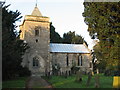
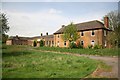
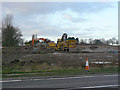
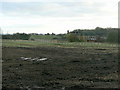
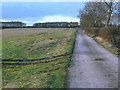
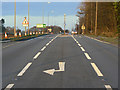
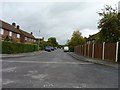
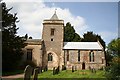
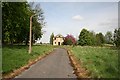
Area Information
Living in Flintham offers a quiet rural experience centred around a small civil parish covering 8.3 square kilometres. You will find a locality defined by its rural character rather than urban sprawl or dense development. The area is situated within England, providing access to the wider countryside while maintaining its specific parish status. Daily life here involves navigating a compact geographical space where distances to local amenities are measured in short drives or walks rather than extensive commutes. This setting attracts those who prioritise peace and space over the convenience of city centres. The distinctive nature of Flintham stems from its manageable size, which fosters a close-knit atmosphere without the chaos of larger towns. Prospective buyers seeking homes in Flintham should know they are entering a community where the pace of life is dictated by the rhythm of the district rather than city timetables. The area's identity is rooted in its traditional structure, where the land parcels and settlement patterns have remained largely consistent for generations. Anyone considering this location must weigh the tranquility of such a small parish against the potential isolation from major transport hubs. Understanding what daily life entails in Flintham requires acknowledging the limited footprint of the settlement. The environment supports a lifestyle where nature plays a central role, yet it lacks the infrastructure of significant urban centres. Residents enjoy the benefits of a rural dwelling without the burden of heavy traffic or industrial noise. However, the small area size also means that commercial services are fewer and may require travel to nearby towns. This balance makes Flintham suitable for specific demographics rather than a one-size-fits-all retirement or family destination.
- Area Type
- Parish
- Area Size
- 8.3 km²
- Population
- Not available
- Population Density
- Not available
Demographics
The community in Flintham is heavily skewed towards the elderly, with a median age of 70 years. This demographic profile is a defining characteristic of the parish, influencing every aspect of local commerce and social activity. You can expect to find a population where the vast majority of residents fall into the senior age bracket, specifically the 65 to 74 category which forms the largest group. Beyond the most common age ranges, there evidence of low diversity, as specific data on predominant ethnic groups and religious affiliations is not detailed for this small parish. Home ownership stands at an impressive 82 per cent, indicating a community established by long-term residents rather than transient tenants. This high level of ownership suggests stability within the household composition, where families often remain in their properties for decades. You will encounter a dating accommodation type skew heavily towards owner-occupied housing, with rental listings being significantly rarer. The lack of detailed breakdowns for household groups means the average family size is not explicitly tracked, but the ownership rate implies self-contained units designed for retirement or permanent residence. Deprivation data is not explicitly provided for this specific parish in the available records, so you cannot assess income inequality directly. Nevertheless, the high ownership rate often correlates with settled communities where assets are passed down or accumulated over time. Living in Flintham means joining a group where wealth is held rather than rented, creating a stable economic environment typical of rural retirement hubs. The absence of younger working-age families further reinforces this demographic reality, shaping the local economy away from services catering to children or commuters.
Household Size
Accommodation Type
Tenure
Ethnic Group
Religion
Household Composition
Age
Household Deprivation
NS-SEC
Explore more demographic insights in this area
Go to Demographics tabPlanning
Planning Constraints
- Flood RiskPremium
- Ramsar Wetland SitesPremium
- Area of Outstanding Natural BeautyPremium
- Protected Nature ReservePremium
- Protected WoodlandPremium
- Crime RiskPremium