Area Overview for Dadlington & Sutton Cheney
Photos of Dadlington & Sutton Cheney
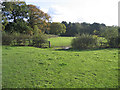
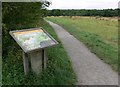
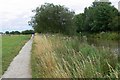
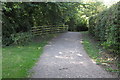



Area Information
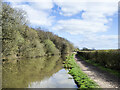
Dadlington & Sutton Cheney is a civil parish covering 17.4 km² within the county of England. Living in this area offers a distinctly rural experience characterised by wide open spaces and a low-density settlement pattern. You will find yourself in a setting far removed from urban chaos, where the priority is quiet leisure rather than public transport schedules. The combined communities of Dadlington and Sutton Cheney provide a singular identity focused on local life rather than cosmopolitan amenities. Daily routines here revolve around car travel, walking the fields, and engaging with neighbours over the village green or local pub. This is a place for those who value stillness and have the vehicle to access wider towns for shopping or entertainment. The landscape is defined by its open nature, lacking the congestion and noise found in larger settlements. You should prepare for a lifestyle where convenience is determined by your distance from the nearest high street rather than walkable urban density. The area stands as a self-contained unit where the rhythm of life is set by natural light and seasonal changes rather than commercial timetables. Understanding the geography of this 17.4 km² patch is essential for anyone considering relocation, as the lack of internal sprawl means every journey counts towards your weekly itinerary.
- Area Type
- Parish
- Area Size
- 17.4 km²
- Population
- Not available
- Population Density
- Not available
Demographics
The community within Dadlington & Sutton Cheney presents a uniquely aged population structure. The median age for residents stands at 70 years, indicating that the area is predominantly inhabited by seniors rather than families with young children or recent graduates. This demographic profile suggests a neighbourhood where retirement communities thrive alongside long-term residents who have lived here for decades. With 80% of households reporting home ownership, you will encounter very few rental properties or tenants in the village. This high rate of ownership usually correlates with stability, as people tend to settle permanently rather than move frequently for work. The household composition data reflects a society built around established dwellings rather than transient housing solutions. Accommodation types align with this settled majority, favouring larger properties capable of housing elderly residents. Ethnic diversity and religious affiliation statistics are not statistically significant enough to drive current planning discussions or local services. For you as a potential buyer, the primary demographic reality is one of an older, settled population embedded in existing stock. This environment may offer quiet streets and neighbourly familiarity but could lack the vibrancy associated with youth-driven high streets or active school enrolments.
Household Size
Accommodation Type
Tenure
Ethnic Group
Religion
Household Composition
Age
Household Deprivation
NS-SEC
Explore more demographic insights in this area
Go to Demographics tabPlanning
Planning Constraints
- Flood RiskLocked
- Ramsar Wetland SitesLocked
- Area of Outstanding Natural BeautyLocked
- Protected Nature ReserveLocked
- Protected WoodlandLocked
- Crime RiskLocked