Area Overview for Cromford & Matlock Bath Ward
Photos of Cromford & Matlock Bath Ward
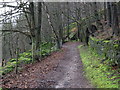
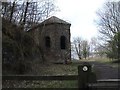
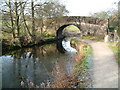
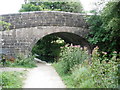
Area Information
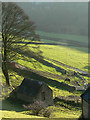
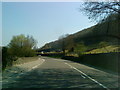
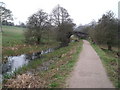
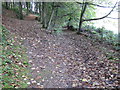
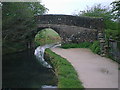
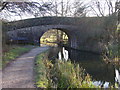
Living in Cromford & Matlock Bath Ward offers a distinct experience within Derbyshire, blending industrial heritage with natural beauty. This electoral ward encompasses roughly 9.2 square kilometres and contains the villages of Cromford and Matlock Bath. You will find yourself situated in the Derwent Valley within the south-eastern Peak District, a location 2 miles south of Matlock and near the 11th-century settlement known historically as Crumforde. Daily life here revolves around iconic landmarks such as Cromford Mill and Masson Mill, which remain central to the area's identity as part of the UNESCO World Heritage Site corridor. The River Derwent valley defines the landscape, flowing alongside the Cromford Canal and providing a scenic backdrop for residents. Transport links are practical; the A6 trunk road connects you directly to Derby, Manchester, and Matlock, while Cromford railway station provides hourly East Midlands Railway services. This proximity to cities like Derby, located 17 miles to the north, ensures you maintain access to urban amenities without losing the quiet atmosphere of the Derwent Valley. Whether you are concerned with the geological history or the modern conveniences, this ward balances both through its specific location and infrastructure.
- Area Type
- District Borough Unitary Ward
- Area Size
- 9.2 km²
- Population
- Not available
- Population Density
- Not available
Demographics
The community within Cromford & Matlock Bath Ward presents a clear demographic profile suited to specific lifestyles. Residents here are significantly older than the national average, with a median age of 70 years. This indicates that the area attracts retirees or those living with ageing family members rather than young families or students. Despite this age profile, home ownership remains a dominant feature of the local housing market. A substantial 72% of households own their homes outright or with a mortgage, suggesting financial stability among residents. The ward does not reveal specific breakdowns for household composition, predominant ethnic groups, or religious affiliations in the available records, meaning the community feels consistent rather than shifting demographically. When considering quality of life, the concentration of elderly residents often correlates with quieter streets and a slower pace of life compared to more urban centres. The environment supports independent living for most, given the low population density inherent in a village setting. These demographic realities mean you are likely to engage with neighbours who prioritise stability and longevity over rapid consolidation or frequent moves.
Household Size
Accommodation Type
Tenure
Ethnic Group
Religion
Household Composition
Age
Household Deprivation
NS-SEC
Explore more demographic insights in this area
Go to Demographics tabPlanning
Planning Constraints
- Flood RiskPremium
- Ramsar Wetland SitesPremium
- Area of Outstanding Natural BeautyPremium
- Protected Nature ReservePremium
- Protected WoodlandPremium
- Crime RiskPremium