Area Overview for Crick
Photos of Crick
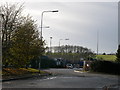
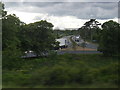
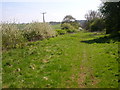

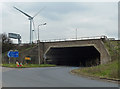
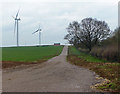

Area Information
Crick is a built-up area in England, spanning 1.8 km², with a distinct character shaped by its older population and proximity to nearby towns. Living in Crick means being part of a community where the median age is 70, suggesting a demographic skewed towards retirees and long-term residents. The area is compact yet connected, with easy access to Rugby and Long Buckby railway stations, which link to broader regional networks. Daily life here is likely centred around local amenities, including shops and schools, with a strong emphasis on community cohesion. While the area’s size is modest, it offers a quiet, settled environment, ideal for those seeking a slower pace of life. The presence of Crick Primary School, rated good by Ofsted, adds to the appeal for families. For buyers, homes in Crick may reflect the needs of an older demographic, with a focus on practicality and accessibility. The area’s compact nature ensures that essential services are within practical reach, making it a viable option for those prioritising convenience over sprawling urban spaces.
- Area Type
- Built Up Area 250
- Area Size
- 1.8 km²
- Population
- Not available
- Population Density
- Not available
Living in Crick offers access to a range of local amenities within practical reach. Retail options include five shops, notably the Heart of England Co-operative Co and Co-op Rugby, providing essential goods and services. These stores cater to daily needs, from groceries to household items, supporting a self-contained lifestyle. The area’s rail connectivity, with Rugby and Long Buckby stations, adds convenience for travel or commuting. While the data does not mention parks or leisure facilities, the presence of retail and transport options suggests a focus on practicality over expansive recreational spaces. The community feel is likely shaped by these local hubs, where residents can shop, travel, and interact with nearby towns. For buyers, the lifestyle in Crick balances simplicity with accessibility, ideal for those prioritising convenience over large-scale amenities.
Amenities
Schools
Crick Primary School is the only school explicitly listed in the data, serving the local community with a primary education offering. Its Ofsted rating of “good” indicates a satisfactory standard of teaching and facilities, though no further details on student performance or school size are provided. The absence of secondary schools or other educational institutions in the data means that families may need to look beyond Crick for secondary education. This could be a consideration for buyers prioritising a comprehensive school system. However, the presence of a well-rated primary school suggests that Crick may be suitable for families with younger children, provided they are willing to arrange transport for older students. The single school listed reflects the area’s small size, where educational needs are met locally but with limited diversity in school types.
| Rank | School | Type | Entry gender | Ages |
|---|
Explore more schools in this area
Go to Schools tabDemographics
Crick’s population is predominantly older, with a median age of 70, indicating a community where retirees and long-term residents form the majority. The most common age range is listed as “Age: Total,” which may reflect broader statistical groupings rather than granular breakdowns. Home ownership is high, at 77%, suggesting a stable, owner-occupied demographic. Household composition and accommodation types are reported as “total,” which may imply aggregated data without further细分. The area’s demographic profile lacks specific details on ethnic diversity or religious composition, but the high home ownership rate points to a community prioritising long-term residency. This demographic structure likely influences local services, with amenities tailored to older adults, such as accessible housing and healthcare facilities. The lack of detailed data on diversity or household types means the community’s full character remains partially obscured, though the existing figures highlight a settled, older population.
Household Size
Accommodation Type
Tenure
Ethnic Group
Religion
Household Composition
Age
Household Deprivation
NS-SEC
Explore more demographic insights in this area
Go to Demographics tabPlanning
Planning Constraints
- Crime RiskPremium