Area Overview for Clay Cross North Ward
Photos of Clay Cross North Ward
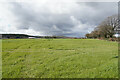
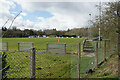
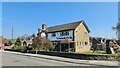
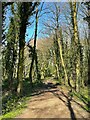
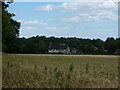
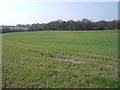
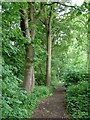
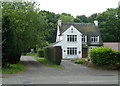
Area Information
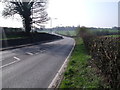
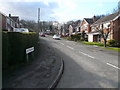
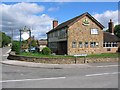
Living in Clay Cross North Ward offers a defined residential district within the Greater Manchester boundary. This ward covers an expansive 9.0 km², providing sufficient space for established homes while maintaining a structured local community feel. You will find this district situated just outside the urban core of Clay Cross, offering a balance between proximity to town amenities and the relative quiet of the surrounding countryside. The area serves as a dormitory community for many, yet its size allows for distinct neighbourhood character without feeling overcrowded. Your daily life here revolves around a settled pattern where residents value the known local environment over rapid change. The district's identity is anchored in its mature setting, where you can expect to navigate well-established rather than newly developed landscapes. There are no industrial zones or major commercial strips within the 9.0 km² boundary itself, which shapes the pace of daily activities. Instead, the focus remains on residential stability and the practicalities of suburban living close to Derby. This layout suits those who prefer a clear understanding of their surroundings, where the distance to local shops and green spaces can be measured in minutes rather than hours. When you consider buying a home here, you are entering an area with a long history of residential use. The physical boundaries of the ward create a natural container for the community, fostering a sense of locality. You will not find the sensory overwhelm of a city edge so much as the economical utilitarianism of a functional commuter suburb. This straightforwardness defines the experience of Clay Cross North Ward, making it a practical choice for those who prioritise location over high-gloss neighbourhood branding.
- Area Type
- District Borough Unitary Ward
- Area Size
- 9.0 km²
- Population
- Not available
- Population Density
- Not available
Demographics
The community profile of Clay Cross North Ward presents a notable distinction from the national average through its age distribution. The median age stands at 70 years, a figure that fundamentally shapes who lives in this ward and how the local services are utilised. You will encounter a generation that has spent considerable time in their current homes, having built deep roots in the area over decades. The demographic data indicates that the "Total" age range constitutes the primary population cluster, confirming that retirees and older adults form the core of the social fabric. Home ownership rates here are substantial, with 61% of residents owning their properties outright or with a mortgage. This high level of ownership suggests a population that values stability and has the means to invest in their bricks and mortar. You are unlikely to spend much time talking to long-term tenants in Clay Cross North Ward, as the majority of households consist of owner-occupiers. This dynamic often influences the neighbourhood atmosphere, creating a quieter environment where residents are invested in the long-term upkeep of their immediate surroundings. While specific breakdowns for ethnicity and religion are not detailed in the available profile, the area is defined by traditional demographic markers common to the East Midlands and northern fringe towns. The household composition data is recorded generally, reflecting a standard suburban mix of single-person and multi-generational homes. With the median age at 70, you must consider the implications for local facilities, as the primary consumer base will prioritise healthcare access, leisure, and community involvement over nightlife or youth-centric entertainment. This demographic reality is a distinct feature of life in Clay Cross North Ward.
Household Size
Accommodation Type
Tenure
Ethnic Group
Religion
Household Composition
Age
Household Deprivation
NS-SEC
Explore more demographic insights in this area
Go to Demographics tabPlanning
Planning Constraints
- Flood RiskPremium
- Ramsar Wetland SitesPremium
- Area of Outstanding Natural BeautyPremium
- Protected Nature ReservePremium
- Protected WoodlandPremium
- Crime RiskPremium