Area Overview for Casewick Ward
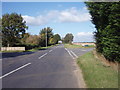
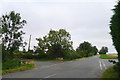
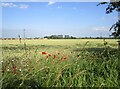
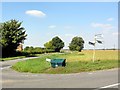
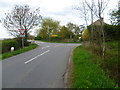
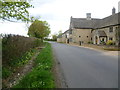
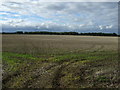
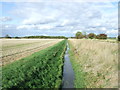
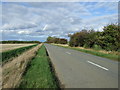
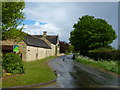
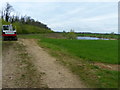
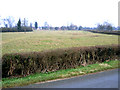
Photos of Casewick Ward
Area Information
Casewick Ward stands as a defined district within the North East of England, covering a sprawling expanse of 55 square kilometres. This substantial land area suggests a landscape defined by open spaces or lower-density development rather than a compact urban centre. Living in Casewick Ward offers an experience distinct from the high-rise density found in major metropolitan hubs. The physical scale of the ward implies a neighbourhood where distances may require considerable travel time for daily activities. Residents here navigate a territory that prioritises space over immediate proximity to services. This scale influences how you perceive your surroundings and your connection to the wider region. The area forms a significant unit within the local administrative structure, providing a clear geographical identity for those considering a move. Understanding the size of the ward helps frame expectations for commute times and access to local amenities. A prospective buyer must consider how this 55 square kilometre footprint fits into their lifestyle requirements and mobility needs. The physical boundaries of Casewick Ward define the daily boundary of life for its inhabitants.
- Area Type
- District Borough Unitary Ward
- Area Size
- 55.0 km²
- Population
- Not available
- Population Density
- Not available
Demographics
The community in Casewick Ward presents a clear demographic profile dominated by older residents. The median age sits at 70 years, indicating a population significantly skewed towards retirement age groups. This age distribution shapes the local culture, with household compositions likely favouring single-person households, couples without children, or elderly families supporting each other. You will find that the standard demographic total reflects this ageing population rather than young families or students. Home ownership stands at 86 per cent, creating an area defined almost entirely by owners rather than renters. This high level of ownership usually implies long-term stability within the streets and a community where residents have deep roots. The accommodation type total aligns with this ownership figure, suggesting a stock primarily built for permanent residence rather than short-term lets. While specific ethnic group data and religious breakdowns appear in the total household composition records, the overwhelming consensus is an established, predominantly owner-occupied neighbourhood. This demographic reality means that new families moving into homes in Casewick Ward may join a quieter, senior-led community where social dynamics revolve around different life stages compared to younger districts.
Household Size
Accommodation Type
Tenure
Ethnic Group
Religion
Household Composition
Age
Household Deprivation
NS-SEC
Explore more demographic insights in this area
Go to Demographics tabPlanning
Planning Constraints
- Flood RiskPremium
- Ramsar Wetland SitesPremium
- Area of Outstanding Natural BeautyPremium