Area Overview for Carlton-le-Moorland
Photos of Carlton-le-Moorland
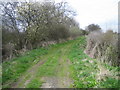
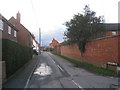
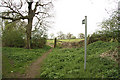
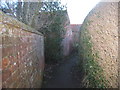
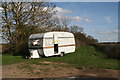

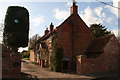
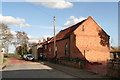

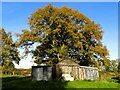
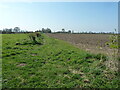
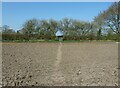
Area Information
Carlton-le-Moorland is a compact built-up area spanning 25.3 hectares, nestled in England’s rural landscape. Its population, though not specified, is marked by a median age of 70, suggesting a community skewed toward older residents. This demographic profile shapes daily life, with a focus on established routines and a quieter, more sedate pace. The area’s small size means amenities and services are closely grouped, making it practical for those prioritising convenience. Home ownership is strong, with 81% of households owning their properties, reflecting a stable, long-term resident base. While the area lacks major urban hubs, its proximity to three railway stations—Swinderby, Collingham, and Hykeham—offers easy access to nearby towns. For those seeking a low-maintenance lifestyle with a sense of security, Carlton-le-Moorland’s blend of modest living and accessible transport options makes it a viable choice. However, its limited retail options and older population may appeal to specific buyers, such as retirees or those seeking a quieter alternative to busier centres.
- Area Type
- Built Up Area 250
- Area Size
- 25.3 hectares
- Population
- Not available
- Population Density
- Not available
The lifestyle in Carlton-le-Moorland is shaped by its proximity to essential retail and transport hubs. Within practical reach are five retail outlets, including Spar and Lincolnshire Co-operative Co, offering basic shopping needs. These local stores cater to daily essentials, though the absence of larger supermarkets or dining options may require residents to travel further for more varied choices. The three nearby railway stations—Swinderby, Collingham, and Hykeham—provide access to broader regional amenities, including employment opportunities and cultural attractions. While the area lacks detailed data on parks or leisure facilities, its compact size suggests a focus on simplicity and convenience. For those valuing ease of access to shops and transport over extensive recreational spaces, Carlton-le-Moorland offers a functional, low-effort lifestyle.
Amenities
Schools
| Rank | School | Type | Entry gender | Ages |
|---|
Explore more schools in this area
Go to Schools tabDemographics
Carlton-le-Moorland’s population is predominantly composed of older residents, with a median age of 70. This suggests a community where retirement is the primary life stage, influencing local services and social dynamics. The home ownership rate of 81% indicates a strong presence of long-term residents, many of whom may have lived in the area for decades. While specific data on household composition or accommodation types is not available, the high home ownership percentage implies a stable, owner-occupied market. The absence of detailed figures on ethnic diversity or religious composition means the area’s cultural makeup remains unspecified. However, the demographic profile suggests a population with fewer young families, which could affect the availability of schools or childcare facilities. For buyers, this means a community with a mature, low-maintenance character, though it may not suit those requiring a more dynamic or growing environment.
Household Size
Accommodation Type
Tenure
Ethnic Group
Religion
Household Composition
Age
Household Deprivation
NS-SEC
Explore more demographic insights in this area
Go to Demographics tabPlanning
Planning Constraints
- Crime RiskPremium