Area Overview for Calke
Photos of Calke
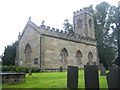
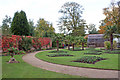
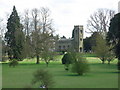
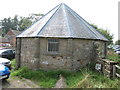
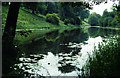
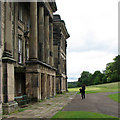
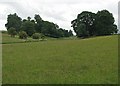
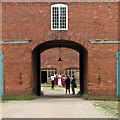

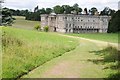
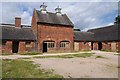
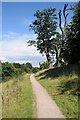
Area Information
Living in Calke offers a grounded experience within a compact civil parish covering exactly 2.8 square kilometres. You will find a static and settled environment where daily life revolves around a small cluster of homes rather than expansive suburban sprawl. The area does not host a large council estate or a dense urban core; instead, it presents as a quiet rural settlement typical of Derbyshire. Prospective residents should understand that this is a place defined by its modest scale and proximity to the wider countryside rather than by busy town centres or major urban infrastructure. You are entering a community where the pace of life is slow and the immediate surroundings are intimate. The local landscape supports a low density of dwellings, ensuring that neighbours are within easy sight but maintain a degree of privacy. There are no sprawling developments or high-rise buildings to disrupt the visual character of the settlement. Daily routines in Calke involve walking to nearby amenities or relying on road networks to reach larger services in surrounding towns. The area functions as a residential backdrop for those who value space and quiet over urban convenience. This setting attracts individuals seeking stability and a connection to the natural world without the isolation of remote farmland. The parish structure provides a recognised local identity, allowing you to participate in parish council meetings if you wish to become involved in local governance. Your life here will be governed by rural rhythms, with limited public transport options and a reliance on private vehicles for most journeys. You should choose Calke if you want defined boundaries to your neighbourhood and a clear sense of place.
- Area Type
- Parish
- Area Size
- 2.8 km²
- Population
- Not available
- Population Density
- Not available
Demographics
The community in Calke is distinctly elderly, with a median age of 70 years. This figure indicates that the majority of the settlement consists of older residents, likely retired professionals or long-term locals who have chosen to remain in the parish as they age. The most common age group is not specifically isolated by the provided data, but the overall median confirms a grey-hair demographic. You should expect a neighbourhood where younger families are rare and where local shops cater to senior needs rather than teenagers or young commuters. Home ownership stands at a remarkable 70% of all households in the parish. This high rate suggests a settled population who have built up equity over decades and lack the incentive to move due to rental costs. The remaining 30% of residents live in privately rented properties, which may indicate a smaller cohort of younger tenants or seasonal residents. The data does not provide a breakdown of specific household compositions such as single-person homes or families with children, but the age profile implies a prevalence of single occupants or older couples. Ethnic diversity and religious affiliation are not detailed in the available statistics. While you cannot determine the exact mix of faiths or cultural backgrounds, the homogeneity of the age group often correlates with shared social histories and established community traditions. You will find a population that has likely lived in the Calke area for a long time, knowing one another well. This lack of rapid demographic turnover contributes to a very insular but supportive social fabric. The quality of life here is shaped by this stability, offering less anonymity but more familiarity compared to rapidly changing urban areas.
Household Size
Accommodation Type
Tenure
Ethnic Group
Religion
Household Composition
Age
Household Deprivation
NS-SEC
Explore more demographic insights in this area
Go to Demographics tabPlanning
Planning Constraints
- Flood RiskPremium
- Ramsar Wetland SitesPremium
- Area of Outstanding Natural BeautyPremium
- Protected Nature ReservePremium
- Protected WoodlandPremium
- Crime RiskPremium