Area Overview for Byfield
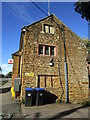
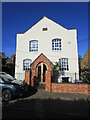
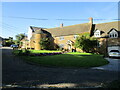
Photos of Byfield
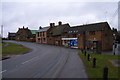
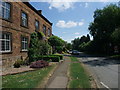
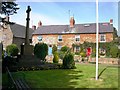

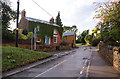
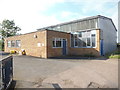
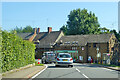
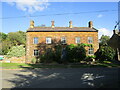
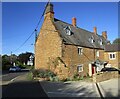
Area Information
Living in Byfield offers a compact, well-defined community within England’s built-up landscape. Covering 47.2 hectares, the area is small but functional, with a population profile skewed toward older residents, as the median age is 70. This suggests a mature demographic, likely with established routines and a preference for stable, long-term living. The high home ownership rate of 75% indicates a community rooted in property ownership, which can contribute to a sense of permanence. Byfield’s character is defined by its proximity to essential services and its relatively low crime risk, making it appealing for those prioritising safety and convenience. While the area’s size limits sprawling development, it fosters a close-knit environment where residents are likely familiar with their neighbours. For buyers, Byfield represents a blend of practicality and tranquility, with access to local amenities and a low-key lifestyle. The presence of schools and retail outlets within practical reach further reinforces its suitability for families seeking a balanced, community-focused existence.
- Area Type
- Built Up Area 250
- Area Size
- 47.2 hectares
- Population
- Not available
- Population Density
- Not available
Byfield’s lifestyle is shaped by its proximity to essential retail services, with four notable venues within practical reach. These include Co-op Byfield, Spar, and Co-op Woodford, providing residents with access to everyday shopping, groceries, and convenience stores. While the data does not mention parks, dining, or leisure facilities, the presence of multiple retail outlets suggests a community-focused environment where daily errands are easily managed. The compact nature of the area likely encourages walking or cycling for short trips, enhancing convenience. For those prioritising a self-contained lifestyle, the availability of these shops reduces the need for long journeys. However, the absence of specific details on other amenities means the full range of leisure or recreational options remains unexplored.
Amenities
Schools
Byfield’s educational landscape includes Byfield School, which serves both primary and academy functions. The academy is rated “good” by Ofsted, a notable benchmark for quality. This dual presence suggests families have access to both early education and secondary schooling within the area, reducing the need for long commutes. The good rating for the academy indicates a school that meets or exceeds national standards in teaching and outcomes, which is a key consideration for parents. However, the data does not specify the number of students or additional educational facilities, so the full scope of Byfield’s schooling options remains partially defined. For families prioritising education, the presence of a well-rated academy is a significant draw, though further details on primary school capacity or extracurricular offerings would be needed for a complete picture.
| Rank | School | Type | Entry gender | Ages |
|---|
Explore more schools in this area
Go to Schools tabDemographics
Byfield’s population is predominantly older, with a median age of 70, which aligns with the “Age: Total” category listed in the data. This suggests a community where retirees or long-term residents form the majority. The home ownership rate of 75% is notably high, indicating that most households own their properties rather than rent. This could reflect a preference for stability or a legacy of long-term residency. The data does not specify household composition or ethnic diversity, but the 75% ownership figure implies a settled population with fewer transient residents. The lack of detailed breakdowns on accommodation types or deprivation levels means the area’s socioeconomic profile remains partially opaque. However, the high ownership rate and low crime risk suggest a community prioritising security and continuity. For prospective buyers, this demographic profile may appeal to those seeking a mature, low-maintenance environment with established infrastructure.
Household Size
Accommodation Type
Tenure
Ethnic Group
Religion
Household Composition
Age
Household Deprivation
NS-SEC
Explore more demographic insights in this area
Go to Demographics tabPlanning
Planning Constraints
- Crime RiskPremium