Area Overview for Burgh le Marsh
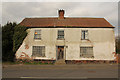
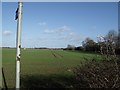
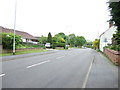
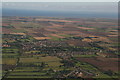
Photos of Burgh le Marsh
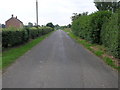

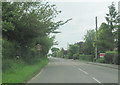
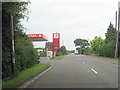
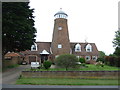



Area Information
Burgh le Marsh is a small, compact built-up area spanning 97.3 hectares in Lincolnshire, England. Its population, while not quantified in the data, is likely modest, reflecting the area’s modest scale. The community here is predominantly older, with a median age of 70, suggesting a settled, long-term resident base. Daily life is shaped by the area’s proximity to nearby towns and its mix of local amenities. The presence of rail stations, including Havenhouse and Wainfleet, offers connectivity to broader regional networks, while local shops like Tesco Burgh Old and Spar provide essential services. Burgh le Marsh is not a bustling urban hub but a quiet, low-density area where neighbours are likely to know one another. Its character is defined by simplicity and accessibility, with a focus on practical living rather than grandeur. For those seeking a tranquil, community-oriented environment with a balance of local convenience and regional access, Burgh le Marsh offers a straightforward, no-frills lifestyle.
- Area Type
- Built Up Area 250
- Area Size
- 97.3 hectares
- Population
- Not available
- Population Density
- Not available
Residents of Burgh le Marsh have access to a range of nearby amenities, including five retail outlets such as Lincolnshire Co-operative Co and Tesco Burgh Old, which provide essential shopping and daily necessities. The presence of Spar adds to the convenience of local grocery options. The area’s rail stations, including Havenhouse and Wainfleet, offer practical connections to surrounding regions, while the Coach Station provides bus services for broader travel. Although the data does not specify parks or leisure facilities, the combination of retail and transport options suggests a functional lifestyle focused on accessibility and practicality. The modest scale of the area means amenities are likely to be within walking or short driving distance, supporting a low-effort, community-oriented way of life. For those prioritising convenience over expansive leisure options, Burgh le Marsh delivers a straightforward, serviceable environment.
Amenities
Schools
The nearest school to Burgh le Marsh is The St Peter and St Paul C of E Primary School, which is rated ‘good’ by Ofsted. This institution serves the local community with primary education, offering a foundation for young learners. While no secondary schools are listed in the data, the presence of a well-rated primary school is a key consideration for families with young children. The school’s ‘good’ rating suggests it meets or exceeds national standards in teaching quality and student outcomes. For parents prioritising early education, this school provides a reliable option. However, families requiring secondary schooling may need to look further afield, as the data does not include information on local secondary institutions. The single listed school reflects the area’s focus on primary education, which is a practical advantage for families with younger children.
| Rank | School | Type | Entry gender | Ages |
|---|
Explore more schools in this area
Go to Schools tabDemographics
The population of Burgh le Marsh has a median age of 70, indicating a community skewed toward older residents. Home ownership is high at 77%, suggesting a stable, long-term resident base with fewer renters. The data does not specify household composition or accommodation types, but the overall profile points to a mature demographic with established living arrangements. The absence of detailed diversity metrics means the area’s ethnic and religious composition cannot be described beyond the broadest terms. While this data does not address deprivation levels directly, the high home ownership rate and older age profile may imply a lower turnover of residents and a focus on long-term stability. However, without further statistics, it is not possible to assess how this translates into quality of life factors such as access to services or economic resilience.