Area Overview for Brington
Photos of Brington

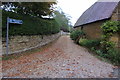
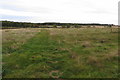
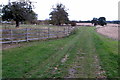
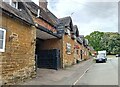
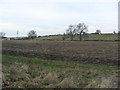
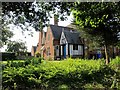
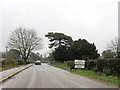
Area Information
Brington is a civil parish in England spanning 12.4 square kilometres. You are looking at a space that is significantly larger than many urban neighbourhoods, offering a breadth that defines daily life here. The area is characterised by its substantial landmass, which accommodates a wide variety of residential settings. Living in Brington means experiencing a layout where movement between different parts of the parish involves traversing notable distances. This size allows for distinct pockets within the community, each with its own rhythm and character. The sheer scale of the parish contributes to a sense of independence for residents. There are no high-density blocks or congested commercial streets dominating the landscape. Instead, the focus remains on larger homes set back from the main routes. This physical spread supports a quieter existence compared to more compact towns. You will appreciate the room to breathe without sacrificing access to local services. The geography provides a canvas for those who value space above rapid transit or urban noise.
- Area Type
- Parish
- Area Size
- 12.4 km²
- Population
- Not available
- Population Density
- Not available
Demographics
The community here is defined by an older population profile. The median age stands at 70 years, indicating a settlement where mature residents form the backbone of society. Most households consist of older age groups, which shapes the local demand for amenities and services. You will find that neighbourly interactions often centre around generations who have lived through significant changes. Home ownership is the norm, with 76% of residents owning their property outright or with a mortgage. This high rate suggests stability in the community, with long-term families rather than transient occupants filling the homes. The population composition reflects a settled society where people build lives across decades. Household types align with this demographic reality, favouring couples, single older individuals, or multi-generational families. Diversity figures are aggregated but do not alter the core identity of an established village. The accommodation further supports this structure, with properties designed for longevity rather than temporary stays.
Household Size
Accommodation Type
Tenure
Ethnic Group
Religion
Household Composition
Age
Household Deprivation
NS-SEC
Explore more demographic insights in this area
Go to Demographics tabPlanning
Planning Constraints
- Flood RiskPremium
- Ramsar Wetland SitesPremium
- Area of Outstanding Natural BeautyPremium
- Protected Nature ReservePremium
- Protected WoodlandPremium
- Crime RiskPremium