Area Overview for Brimington North Ward
Photos of Brimington North Ward
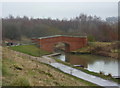
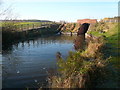
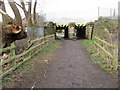
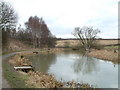
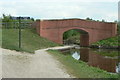
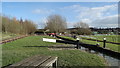

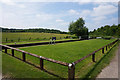
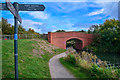
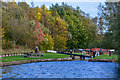

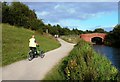
Area Information
Brimington North Ward is a compact district borough unitary ward covering an area of 2.7 km² within England. Residents in this area experience a lifestyle defined by localised living, where the small footprint creates an intimate community atmosphere. You are entering an environment where daily routines often rely on proximity rather than extensive travel. The scale of the ward means that infrastructure and services are contained within a manageable distance, offering a sense of convenience for those who prefer a quieter existence away from the city centre. Life here revolves around the specific character of the neighbourhood, which has developed distinct rhythms over time. Whether you are walking up the street in the morning or visiting local spots during the weekend, the boundaries are clear and the town feels contained. This is not a sprawling suburb but a collection of streets and properties that share a common identity. For someone considering homes in Brimington North Ward, the primary appeal lies in this closeness and the straightforward layout of the locality. The ward does not spread far, so you will not be dealing with long commutes to the surrounding areas or major motorways unless you actively seek them out.
- Area Type
- District Borough Unitary Ward
- Area Size
- 2.7 km²
- Population
- Not available
- Population Density
- Not available
Demographics
The community in Brimington North Ward skews towards an older population. Your target demographic here is predominantly senior residents, with a median age of 70 years old. The most common age range covers the older adult demographic, indicating that the ward is largely composed of retirees or those nearing retirement age. This demographic profile shapes the local high street and social events, which are generally tailored to the needs and interests of older people. Home ownership is a defining feature of the area, with 62% of households owning their properties outright. This high rate suggests stability and a lack of tenant turnover compared to many other parts of the country. The remaining households are likely a mix of long-term renters or first-time buyers who have settled down in older properties. You will rarely see a transient population here; instead, expect to meet neighbours who have been living in their homes for decades. The demographic data does not specify ethnic diversity or religious composition in the provided records, so the visible culture is one defined by age and established residence rather than recent migration patterns. This means the social fabric is likely built on long-standing local connections rather than new waves of residents changing the neighbourhood character.
Household Size
Accommodation Type
Tenure
Ethnic Group
Religion
Household Composition
Age
Household Deprivation
NS-SEC
Explore more demographic insights in this area
Go to Demographics tabPlanning
Planning Constraints
- Flood RiskPremium
- Ramsar Wetland SitesPremium
- Area of Outstanding Natural BeautyPremium
- Protected Nature ReservePremium
- Protected WoodlandPremium
- Crime RiskPremium