Area Overview for Brick Kiln Ward
Photos of Brick Kiln Ward
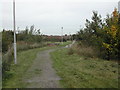
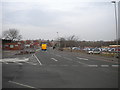
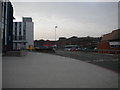
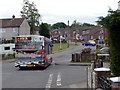
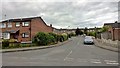
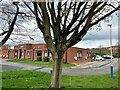
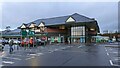
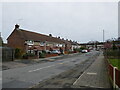
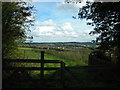
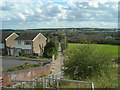
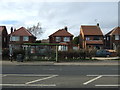
Area Information
Brick Kiln Ward is a compact district within the borough, covering an area of 78.7 hectares. The neighbourhood is defined by its older demographic profile and high rate of homeownership, suggesting a settled community rather than a transient rental market. Living in Brick Kiln Ward offers a quiet existence far removed from the noise of major transport hubs, as the ward contains no protected nature reserves, woodlands, or Areas of Outstanding Natural Beauty. This lack of planning constraints suggests a straightforward regulatory environment for existing properties. The median age in the ward is 70, which indicates a population of retired residents and long-term families who have remained in the area for decades. You will find that daily life in Brick Kiln Ward is centred on stability and established surroundings. The area is not expanding rapidly, evidenced by the low percentage of new development opportunities within its current boundaries. This creates a calm atmosphere where residents are likely to know their neighbours well. The ward does not host designated safety-sensitive sites such as Ramsar wetlands, reducing the likelihood of restrictive planning conditions affecting land value. For anyone seeking a residential enclave with minimal environmental constraints and a familiar social fabric, Brick Kiln Ward presents a clear picture of its identity. It is a place where the primary focus remains on housing stability and community continuity rather than rapid urban regeneration.
- Area Type
- District Borough Unitary Ward
- Area Size
- 78.7 hectares
- Population
- Not available
- Population Density
- Not available
Demographics
The community within Brick Kiln Ward reflects a distinct age profile, with a median age of 70 years. This statistic indicates that the population is significantly older than the national average, pointing towards a neighbourhood inhabited largely by retirees or older residents. Most common age data does not break down specific cohorts beyond the total, but the high median age remains the defining demographic feature. This composition typically results in a slower pace of life, with local amenities likely catering to the needs of an older demographic. Home ownership stands at a robust 64 per cent within the ward. This figure confirms that the majority of households are owners-occupiers rather than private tenants. Such a high proportion of homeowners often correlates with greater investment in the local environment and political engagement within the neighbourhood. The household composition data refers to the total population, implying a stable household structure consistent with the age profile. While specific data on predominant ethnic groups and religious affiliations is not detailed in the provided statistics, the demographic focus remains heavily weighted towards this older, owner-occupied population. There is no indication of recent large-scale demographic shifts, suggesting a stable social fabric where long-standing residents form the majority of the local community structure.
Household Size
Accommodation Type
Tenure
Ethnic Group
Religion
Household Composition
Age
Household Deprivation
NS-SEC
Explore more demographic insights in this area
Go to Demographics tabPlanning
Planning Constraints
- Flood RiskPremium
- Ramsar Wetland SitesPremium
- Area of Outstanding Natural BeautyPremium
- Protected Nature ReservePremium
- Protected WoodlandPremium
- Crime RiskPremium