Area Overview for Braunston
Photos of Braunston
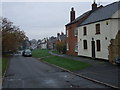
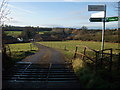
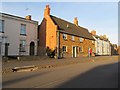
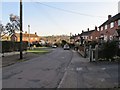
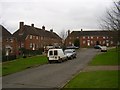
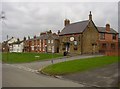
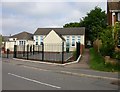
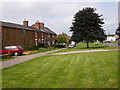
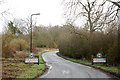

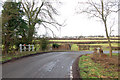

Area Information
Braunston is a compact built-up area in England, spanning 47.3 hectares. Its character is defined by a mature population, with a median age of 70, suggesting a community rooted in stability and long-term residency. The area’s size makes it manageable for daily life, with amenities and services within practical reach. Proximity to Long Buckby Railway Station offers rail connectivity to nearby towns, while nearby retail hubs like Tesco Daventry and Morrisons Daily cater to everyday needs. Safety is a key feature, with a crime risk score of 84, indicating below-average crime rates and a generally secure environment. For buyers, Braunston offers a blend of practicality and tranquility, appealing to those seeking a low-maintenance lifestyle with access to essential services. The area’s demographics suggest a community that values continuity, with a high proportion of homeowners (73%) and a focus on established living. Whether for retirement or long-term settlement, Braunston provides a straightforward, reliable backdrop for daily life.
- Area Type
- Built Up Area 250
- Area Size
- 47.3 hectares
- Population
- Not available
- Population Density
- Not available
Braunston’s lifestyle is shaped by its accessible amenities, including five retail outlets such as Tesco Daventry, Co-op Ashby, and Morrisons Daily. These shops provide convenience for everyday shopping, reducing the need for long journeys. The nearby Long Buckby Railway Station adds to the area’s practicality, allowing residents to travel to other parts of the region easily. While the data does not mention parks or leisure facilities, the presence of multiple retail options suggests a focus on functional living. The compact size of the area ensures that essential services are within walking or driving distance, supporting a self-contained lifestyle. For residents, this means a balance between local convenience and the ability to access wider opportunities through transport links.
Amenities
Schools
Braunston’s educational landscape is anchored by Braunston Church of England Primary School, the only school listed in the data. This primary school serves the local community, providing education for younger residents. The absence of secondary schools or other educational institutions suggests that families may need to look beyond Braunston for comprehensive schooling. The single school listed indicates a focus on primary education, which may be sufficient for those with young children but could pose challenges for families requiring access to secondary education. The school’s type and performance are not detailed, but its presence offers a foundation for local learning. For prospective buyers, the availability of schools is a key consideration, particularly for those prioritising proximity to educational facilities.
| Rank | School | Type | Entry gender | Ages |
|---|
Explore more schools in this area
Go to Schools tabDemographics
Braunston’s population is predominantly older, with a median age of 70. This reflects a community where many residents have lived for decades, contributing to a sense of continuity. The home ownership rate of 73% underscores a stable housing market, with most properties occupied by their owners rather than renters. While specific household composition and accommodation types are not detailed, the data suggests a mix of living arrangements. The area’s demographic profile indicates a population that is less likely to change rapidly, with a focus on long-term residency. This stability may influence local services and amenities, which cater to the needs of an older demographic. The absence of detailed diversity or religious data means the community’s cultural composition remains less defined, but the overall profile highlights a place where familiarity and routine are central to daily life.