Area Overview for Braceborough and Wilsthorpe
Photos of Braceborough and Wilsthorpe
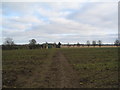
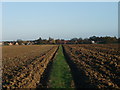
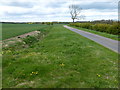
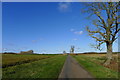
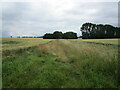
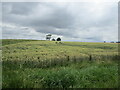
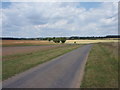
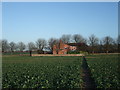
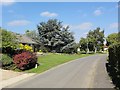
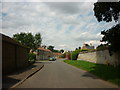
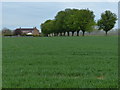
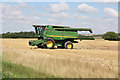
Area Information
Braceborough and Wilsthorpe covers a total land area of 10.8 km² within the civil parish of Lincolnshire. This relatively compact footprint defines the daily reality for residents, creating a close-knit environment where distances between home and local amenities remain short. Living in Braceborough and Wilsthorpe means operating within a defined rural community where the pace of life is dictated by local rhythms rather than major urban hubs. The parish is characterised by its natural setting, offering a quiet alternative to city living for those seeking a slower lifestyle. You will find that the area's small size fosters a sense of familiarity among neighbours, distinguishing it from larger, more fragmented districts. Daily life here revolves around the specific boundaries of the parish, which lack the infrastructure of larger towns. Your commute likely extends beyond these 10.8 km², as the area functions primarily as a residential settlement rather than an employment centre. The distinctiveness of Braceborough and Wilsthorpe lies in its manageable scale and rural designation, appealing to buyers who prioritise space and tranquility over urban convenience. This civil parish provides a contained environment where the boundaries of the neighbourhood are clear, making it easy for you to understand the limits and opportunities of living in this specific location. The area stands as a self-contained entity within the wider county landscape.
- Area Type
- Parish
- Area Size
- 10.8 km²
- Population
- Not available
- Population Density
- Not available
Demographics
The community profile of Braceborough and Wilsthorpe shows a population skewed significantly towards older residents. The median age stands at exactly 70 years, indicating that the majority of households consist of retirees or those approaching retirement age. This age concentration shapes the social fabric, with life in the parish centred around the needs and interests of an older demographic. Only 82% of the population owns their home, meaning two acts out of ten occupants rent their accommodation. This high rate of home ownership suggests long-term residents who have stayed in the parish for extended periods, contributing to a stable but ageing community structure. Household composition reflects these demographic trends, with fewer young families or single commuters present compared to other areas. The accommodation stock mirrors this reality, supporting a population that values stability and established ties to the ground. While specific data regarding predominant ethnic groups and religious affiliations are not detailed in current records, the demographic profile points to a traditional settlement. Living here involves joining a community defined by its senior residents. The high home ownership rate of 82% reinforces the idea that many families moved here decades ago and have remained. This lack of recent migration results in a demographic landscape where the average resident was likely born before 1950. You should expect a neighbourhood where intergenerational knowledge is passed down rather than brought in by new arrivals.
Household Size
Accommodation Type
Tenure
Ethnic Group
Religion
Household Composition
Age
Household Deprivation
NS-SEC
Explore more demographic insights in this area
Go to Demographics tabPlanning
Planning Constraints
- Flood RiskPremium
- Ramsar Wetland SitesPremium
- Area of Outstanding Natural BeautyPremium
- Protected Nature ReservePremium
- Protected WoodlandPremium
- Crime RiskPremium