Area Overview for Boothville and Parklands Ward
Photos of Boothville and Parklands Ward
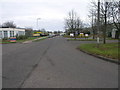

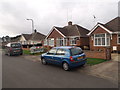
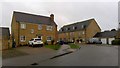
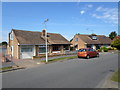
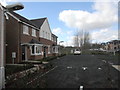
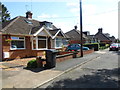
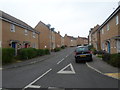
Area Information
Boothville and Parklands Ward is a compact district covering just 4.9 km² in England. This small area contains a population of 3,451 residents, resulting in a density of 708 people per square kilometre. You will find a tightly knit community where neighbours are often close by. The ward offers a residential environment free from major planning constraints such as Areas of Outstanding Natural Beauty or protected wetlands. Despite its size, the area supports a complete range of daily living needs for those looking at living in Boothville and Parklands Ward. The character of the ward is defined by stability rather than rapid change. Historical data points to a long-established community structure. Families and individuals settling here benefit from predictable local governance within the borough unitary ward framework. The location lacks significant flood risk, measuring a score of zero on the safety scale. This means you can secure your property without fearing water-related damage during heavy rainfall. What is the community feel like in Boothville and Parklands Ward?With a population of 3,451 spread across just 4.9 km², the ward fosters an intimate community setting. You will encounter a high density of 708 people per square kilometre, creating a neighbourhood where residents know their immediate surroundings well. Who typically lives in Boothville and Parklands Ward?The median age of residents in this ward is 70, indicating a predominantly older demographic. This age profile distinguishes the area from younger urban districts and points to a settled population composed mainly of retirees or long-term families. How is digital connectivity in Boothville and Parklands Ward?Digital infrastructure in this area achieves a broadband score of 100. This top-tier rating means residents can expect excellent fixed broadband quality. You do not need to worry about slow speeds if you work from home or stream media regularly. Is it safe to live in Boothville and Parklands Ward?The ward presents a medium crime risk with a safety score of 62 out of 100. Crime rates are reported as average compared to wider statistics. You should implement standard security precautions such as locking doors and installing additional lighting.
- Area Type
- District Borough Unitary Ward
- Area Size
- 4.9 km²
- Population
- 3451
- Population Density
- 708 people/km²
Demographics
The people of Boothville and Parklands Ward form a distinct community with a clear demographic focus. The median age across the ward stands at 70 years old. This figure suggests that the area caters primarily to retirees or older age groups. There is little demographic turnover compared to younger city centres. You will find a population that values stability and quiet living arrangements. Home ownership is a defining feature of life in this ward. A staggering 73% of households own their homes outright or have a mortgage. This high percentage indicates deep local roots and financial security among residents. Few people in Boothville and Parklands Ward rent from private landlords. The housing stock reflects a tradition of permanent settlement rather than transient living. What is the home ownership rate in Boothville and Parklands Ward?Home ownership in this ward is exceptionally high at 73%. This means that nearly three out of every four residents own their homes. The area is characterised by stability and long-term settlement rather than short-term renting. What is the age profile of Boothville and Parklands Ward?The median age in Boothville and Parklands Ward is 70. This indicates a predominantly older population where retirees and seniors make up the bulk of households. The area lacks a significant young adult or student demographic. Is Boothville and Parklands Ward diverse in terms of ethnicity and religion?While specific minority group figures are not detailed in current records, the ward maintains a standard demographic profile for English districts. The data highlights a stable, older population structure typical of established suburban wards in England.
Household Size
Accommodation Type
Tenure
Ethnic Group
Religion
Household Composition
Age
Household Deprivation
NS-SEC
Explore more demographic insights in this area
Go to Demographics tabPlanning
Planning Constraints
- Flood RiskPremium
- Ramsar Wetland SitesPremium
- Area of Outstanding Natural BeautyPremium
- Protected Nature ReservePremium
- Protected WoodlandPremium
- Crime RiskPremium