Area Overview for Blidworth
Photos of Blidworth
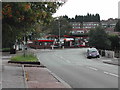
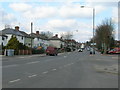
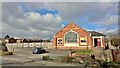
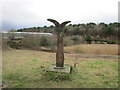
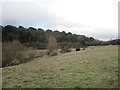
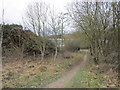
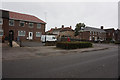
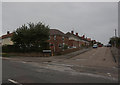
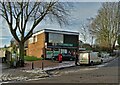
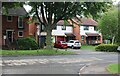
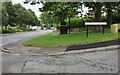
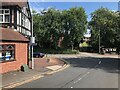
Area Information
Blidworth is a small built-up area in England, covering just 1.2 km². Its compact size means it is neither sprawling nor dense, offering a manageable footprint for residents. The area’s population is predominantly older, with a median age of 70, suggesting a community that may be more settled or retired. This demographic profile influences the local character, with a focus on stability and established living. Daily life in Blidworth is shaped by its proximity to essential services. Nearby schools, including Robert Jones Junior School and Blidworth Oaks Primary School, cater to local families, while retail options like Tesco Blidworth and Spar provide convenience. The area’s transport links are practical, with multiple railway stations within reach and a tram stop at Butler’s Hill. These connections support both local travel and commuting to nearby towns. Blidworth’s appeal lies in its balance of accessibility and quietude. While it is not a major urban centre, it offers the essentials without the congestion of larger cities. For buyers seeking a low-maintenance lifestyle with nearby amenities, Blidworth may be a suitable choice. However, its demographic profile and limited data on modern infrastructure should be considered.
- Area Type
- Built Up Area 250
- Area Size
- 1.2 km²
- Population
- Not available
- Population Density
- Not available
Blidworth’s lifestyle is supported by a range of nearby amenities. Retail options include major chains like Tesco Blidworth, Spar, and The Southern Co-operative Co, providing convenience for daily shopping needs. These stores cater to a variety of household requirements, from groceries to essentials. Transport links extend beyond digital connectivity, with multiple railway stations offering access to surrounding areas. The Butler’s Hill Tram Stop adds another layer of mobility, though the data does not specify how frequently it operates. For leisure, the area’s proximity to rail networks may open up opportunities for visiting nearby towns or attractions. The presence of multiple primary schools and a special school suggests that families have access to educational resources, though secondary education may require travel. Overall, Blidworth’s amenities are practical but not extensive, reflecting its small size and older demographic.
Amenities
Schools
Blidworth has several primary schools within its vicinity, including Robert Jones Junior School, Robert Jones Infant and Nursery School, and Blidworth Oaks Primary School. These institutions cater to younger children, with two schools sharing the same name, which may indicate a split between infant and junior education. Additionally, R.E.A.L Independent Schools Blidworth offers a special education option, providing a range of choices for families. The presence of multiple primary schools suggests that the area is well-served for early education, though no secondary schools are listed in the data. This could mean that students travel to nearby towns for secondary education, which is common in smaller communities. The mix of state and independent schools allows families to choose between public and private options, though the data does not specify Ofsted ratings or academic performance. For parents, the availability of primary schools is a key consideration, but the lack of secondary school data means buyers should investigate further if secondary education is a priority. The schools listed are all primary, which may be sufficient for younger children but not for older students.
| Rank | School | Type | Entry gender | Ages |
|---|
Explore more schools in this area
Go to Schools tabDemographics
Blidworth’s population has a median age of 70, indicating a community skewed towards older residents. This suggests a demographic that may be more established, with fewer young families or transient populations. The home ownership rate is 66%, meaning over two-thirds of residents own their homes, which can imply a stable housing market with long-term occupancy. The data does not specify household composition or diversity, but the “total” category for accommodation type and ethnic group suggests a lack of detailed breakdowns. This absence of granularity means the area’s social fabric is not fully quantified. However, the median age and home ownership rate together hint at a population that may value security and familiarity over rapid change. For buyers, this demographic profile could mean a quieter, less dynamic environment. The older population may influence local services and amenities, which are tailored to their needs. While the data does not provide deprivation statistics, the combination of age and ownership suggests a community with lower turnover and potentially lower demand for new developments.
Household Size
Accommodation Type
Tenure
Ethnic Group
Religion
Household Composition
Age
Household Deprivation
NS-SEC
Explore more demographic insights in this area
Go to Demographics tabPlanning
Planning Constraints
- Crime RiskPremium