Area Overview for Bicker
Photos of Bicker
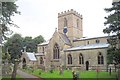
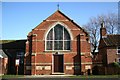
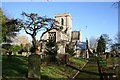
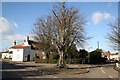
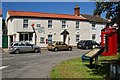
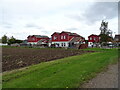
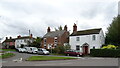
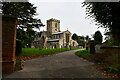
Area Information
Bicker is a compact built-up area in England, spanning 45.1 hectares. Its population, though not explicitly stated, is reflected in its median age of 70, suggesting a community with a significant proportion of older residents. This area is defined by its modest scale and practical layout, with homes and amenities arranged to serve local needs. Daily life here is shaped by proximity to essential services, including three nearby railway stations—Swineshead, Hubberts Bridge, and Heckington—which connect residents to broader networks. The presence of Bicker Preparatory School and Early Years, an independent institution, adds a distinct character to the area, catering to families seeking specific educational pathways. While Bicker lacks the density of larger towns, its manageable size fosters a sense of familiarity. Home ownership is high at 78%, indicating a stable, long-term resident base. For those considering living here, Bicker offers a quiet, low-maintenance environment with accessible transport links and a focus on community-centric living.
- Area Type
- Built Up Area 250
- Area Size
- 45.1 hectares
- Population
- Not available
- Population Density
- Not available
Bicker’s residents have access to five retail outlets, including Co-op Donington, which serves as a local hub for groceries and daily essentials. The presence of multiple shops within practical reach enhances convenience, reducing the need for long journeys to larger centres. The three nearby railway stations also offer leisure and travel opportunities, whether for weekend excursions or regular commuting. While the data does not specify parks or recreational facilities, the combination of retail and transport options suggests a lifestyle focused on practicality and accessibility. The area’s modest scale ensures that amenities are close at hand, supporting a low-effort, community-oriented way of life. For those prioritising ease of access to services and transport, Bicker’s layout provides a straightforward, functional environment.
Amenities
Schools
The nearest school to Bicker is Bicker Preparatory School and Early Years, an independent institution. This school caters to younger children, offering a private education option for families in the area. The presence of an independent school suggests that Bicker may attract households prioritising specific educational philosophies or curricula. However, no Ofsted rating or performance data is available in the provided information, so parents would need to conduct further research to assess the school’s quality. For families relying on state education, the data does not list any other schools, meaning proximity to other educational institutions would require additional investigation. The availability of one independent school adds a layer of choice but does not indicate a comprehensive range of schooling options within the area.
| Rank | A + A* % | School | Type | Entry gender | Ages |
|---|---|---|---|---|---|
| 1 | N/A | Bicker Preparatory School and Early Years | independent | N/A | N/A |
Explore more schools in this area
Go to Schools tabDemographics
Bicker’s population has a median age of 70, with the most common age range encompassing all demographics. This suggests a community where older residents form a significant proportion, though no specific data on younger age groups is available. Home ownership is strong, with 78% of households owning their properties, a figure that implies financial stability and long-term residency. The data does not specify household composition or accommodation types, but the high home ownership rate aligns with a demographic likely to value independence and established living arrangements. Ethnicity and religious diversity are not quantified in the provided data, so their influence on the area’s character remains unexplored. The absence of detailed figures on deprivation or income levels means that quality-of-life factors such as affordability or access to services cannot be fully contextualised. However, the existing data underscores a settled, mature population with a focus on property ownership.
Household Size
Accommodation Type
Tenure
Ethnic Group
Religion
Household Composition
Age
Household Deprivation
NS-SEC
Explore more demographic insights in this area
Go to Demographics tabPlanning
Planning Constraints
- Crime RiskLocked