Area Overview for Ambergate
Photos of Ambergate
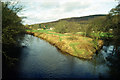
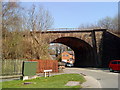
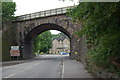
Area Information
Living in Ambergate means settling into a built-up area covering 46.3 hectares within the wider Duchy of Lancaster. This town in Derbyshire offers a straightforward community experience defined by its established character and modest scale. You will find a location that balances suburban convenience with rural proximity, situated near key transport hubs like the A38. The town functions as a practical base for those valuing a known neighbourhood over a bustling metropolis. Daily life here revolves around local amenities accessible by foot or short car journey. Residents enjoy direct access to retail outlets and railway stations without needing to travel far into larger cities. The area provides a consistent environment for families and retirees alike, avoiding the sharp contrasts often found in larger urban districts. You are not buying into a tourist town or a massive commuter belt hub, but rather a functioning localidad where the pace remains steady. The proximity to Chesterfield and Melbourne via rail links ensures you can reach bigger towns quickly while returning to a quieter domestic setting. When you consider homes in Ambergate, you enter a market shaped by long-term settlement patterns rather than rapid development. The town centre offers immediate access to essential services, but you do not expect the density of a major city centre. This built-up area delivers reliability and familiarity. It serves as a solid foundation for those seeking a property in a recognised town without the overwhelming scale of Derby or Manchester. Your daily routine will centre on local interactions and the specific services located within this defined geographic zone.
- Area Type
- Built Up Area 250
- Area Size
- 46.3 hectares
- Population
- Not available
- Population Density
- Not available
Registering to live in Ambergate grants you immediate access to five retail outlets within practical reach of your door. This includes major supermarkets like Morrisons Daily, Budgens Crich, and Tesco Alton located in the Alton area. Residents can pick up weekly groceries without needing a long car journey, a convenience essential for the 46.3 hectares of the town. These stores anchor the local retail landscape, offering a mix of traditional and modern shopping options close by. Transport options further enrich your daily routine with five railway stations providing essential regional links. Ambergate Railway Station, Whatstandwell Railway Station, and Belper Railway Station stand as key waypoints for your travels. These stations facilitate easy trips to Wirksworth and Idridgehay, towns accessible via Metro services connecting the broader network. This transport infrastructure means you can reach larger markets or leisure destinations without relying solely on personal vehicles. The combination of local shops and rail access creates a self-sufficient lifestyle. You can run domestic errands locally while retaining the option to venture further for cultural or major retail experiences. The area supports a routine balanced between home life and community engagement. Amenities are dense enough to avoid feeling isolated but spread enough to maintain a quiet residential feel. When you plan your week, you will find that groceries are one stop away and train tickets are quick to book.
Amenities
Schools
One primary institution serves the local educational needs near Ambergate: Ambergate Primary School. The school holds an Ofsted rating of good, reflecting a standard of education approved for families with young children. This single primary listing indicates that for younger pupils, the town provides a dedicated learning environment within walking distance of many homes in the built-up area. The Ofsted rating of good ensures that early education meets national expectations for quality and safety. Families relocating to Ambergate will need to consider travel to secondary education, as the data lists only one primary school in the vicinity. This setup requires parent coordination for bus routes or commuting to larger secondary hubs outside the immediate 46.3 hectares of the town. The presence of a good-rated primary school provides a reliable starting point for children entering the education system. It removes the uncertainty associated with schools lacking recent inspections or uncertain ratings. For you as a homebuyer, the school environment is straightforward rather than extensive. The single primary option concentrates local resources into one facility rather than spreading them across multiple sites. This can lead to strong community interaction among parents and pupils within that specific school. While the town does not boast a cluster of secondary schools, the primary provision is solid. This structure supports a typical childhood for residents until they transition to further education in nearby larger towns.
| Rank | School | Type | Entry gender | Ages |
|---|
Explore more schools in this area
Go to Schools tabDemographics
The community in Ambergate reflects a settled population with a median age of 70 years. This figure indicates a mature demographic where long-term residents dominate the housing stock. You are looking at an area where grandchildren often play less of a role in the daily street scene than in younger towns. The high home ownership rate of 82 per cent confirms that most people purchasing homes here intend to stay for the long term. Rental properties form a smaller fraction of the total accommodation landscape, suggesting stability in the tenure of households. Household compositions vary to suit this elderly demographic, ranging from senior couples to those living alone. The diversity of the population is shaped by these age and tenure factors, creating a largely uniform community profile. Home ownership figures of 82 per cent place Ambergate firmly in the category of established neighbourhoods where building equity is common. The specific age range data shows that the overall population skews significantly towards older individuals compared to national averages for growth towns. For you, this demographic clarity means neighbours are likely familiar with local issues and infrastructure needs over decades. The lack of young families altering the housing stock rapidly means development pressure remains low. This stability explains the consistent demand for specific property types suited to retirement or senior living. When you analyse the accommodation types, the dominance of owner-occupied units stands out as a key feature. The community feels rooted in history rather than driven by transient labour needs or student influxes.